
Protecting Access, Preserving Boating
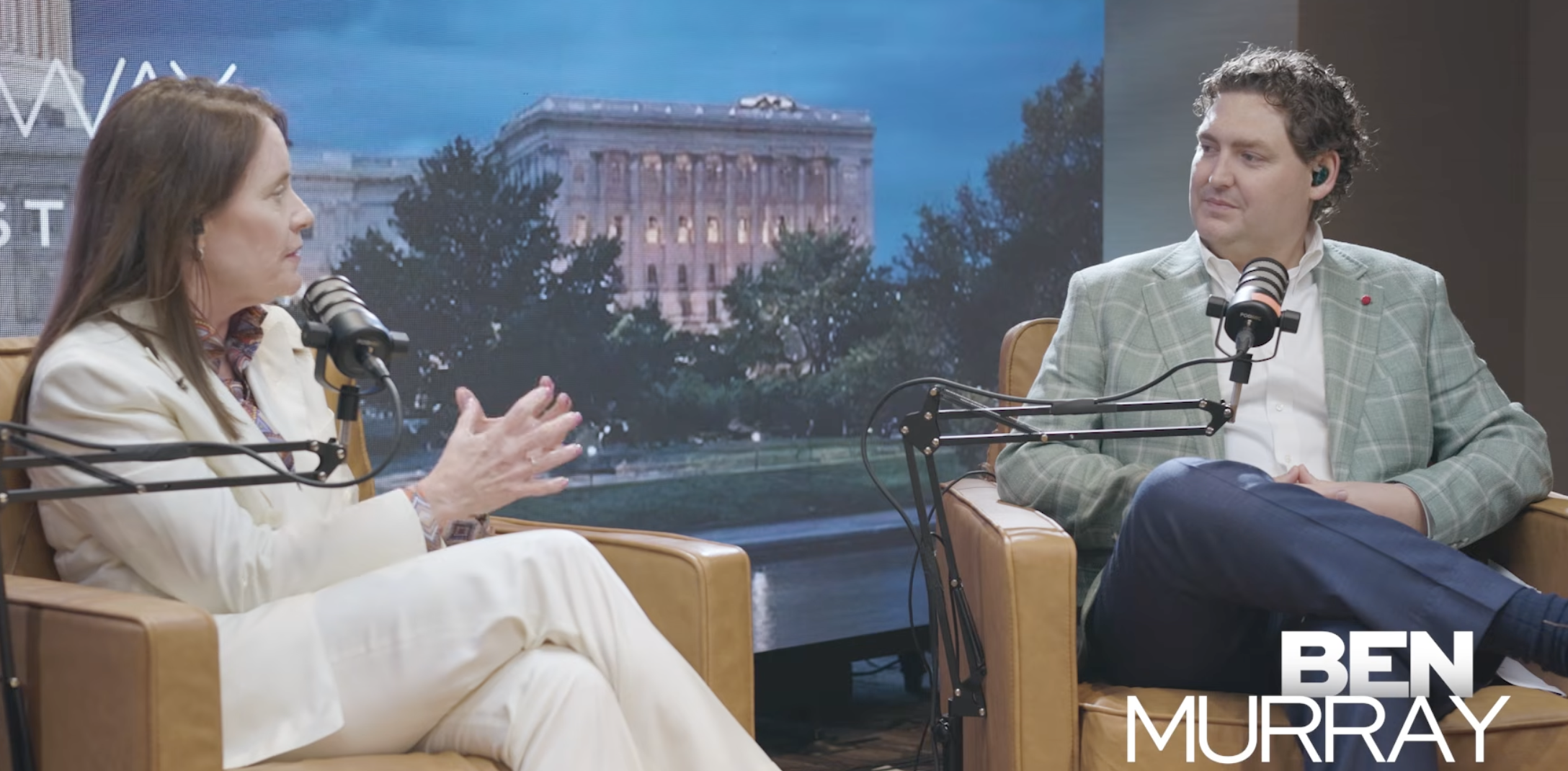
From the floor of the American Boating Congress in Washington, D.C., we zoom in on a truth many boaters miss: the biggest fights over water access often happen at the state level, not in Congress. Ben Murray from the National Marine Manufacturers Association (NMMA) explains how NMMA tracks boating legislation and regulations across all 50 states with a small regional team that watches bills, agency actions, and fast-moving proposals that can change how people use their local waterways. That state-by-state reality matters because boating is not just a pastime, it is a nationwide boating industry powered by manufacturing, dealers, marinas, and supply chains. With roughly 95% of boating businesses classified as small businesses, a single restrictive rule can ripple into jobs, local economies, and whether families feel it is worth owning a boat at all.
A major flashpoint is wake surfing regulation, especially rules that set a minimum setback distance from the shoreline. Ben lays out the practical difference between a science-based approach and a reactionary one: 200 feet is the recommended standard from the National Association of State Boating Law Administrators (NASBLA), and several states have adopted that common-sense number. But other states have pushed for 500-foot setbacks, which can turn many lakes and narrower waterways into de facto no-go zones for wake sports. Opposition groups often cite environmental concerns like shoreline erosion, yet NMMA points to research showing that operating at 200 feet does not create erosion beyond what wind already causes. This is where policy details become real life: a “patchwork” of state rules is confusing on border waters and can discourage participation, upgrades, and new boat purchases.
Instead of treating safety and the environment as talking points, the conversation highlights boater education as a practical solution that protects people and preserves access. Mandatory boater education in states that lack it, plus consistent public outreach, helps reduce the bad-actor problem that drives calls for bans. Ben points to partnerships like the Water Sports Industry Association (WSIA) and its Wake Responsibly campaign as a model: clear guidance on courteous operation, safe speeds, and respectful behavior near shorelines and other water users. Wake surfing also has a strong family-friendly argument that policymakers often overlook. It is low impact, typically around 10 to 12 miles per hour, and accessible to multiple generations, which makes it a growing segment of the marine recreation market.
The bigger backdrop is why state capitols are suddenly so active. When federal action is slow or absent on specific issues, state legislators fill the gap and can move quickly, sometimes too quickly. The post-COVID boating surge adds fuel: 832,000 first-time boat buyers entered the market in 2020, bringing new energy and new scrutiny to crowded waterways. That growth makes it even more important to keep boating inclusive and welcoming, not gated by overly restrictive rules. NMMA’s Discover Boating campaign and discoverboating.org are positioned as on-ramps for beginners who want to get on the water fast, learn the basics, and find the right path, whether that means paddling, wake sports, center consoles, or something larger. The takeaway is simple: smart, evidence-driven policy and strong education protect the water, protect the public, and protect the future of boating access.
Host & Author:
Wards Marine Electric
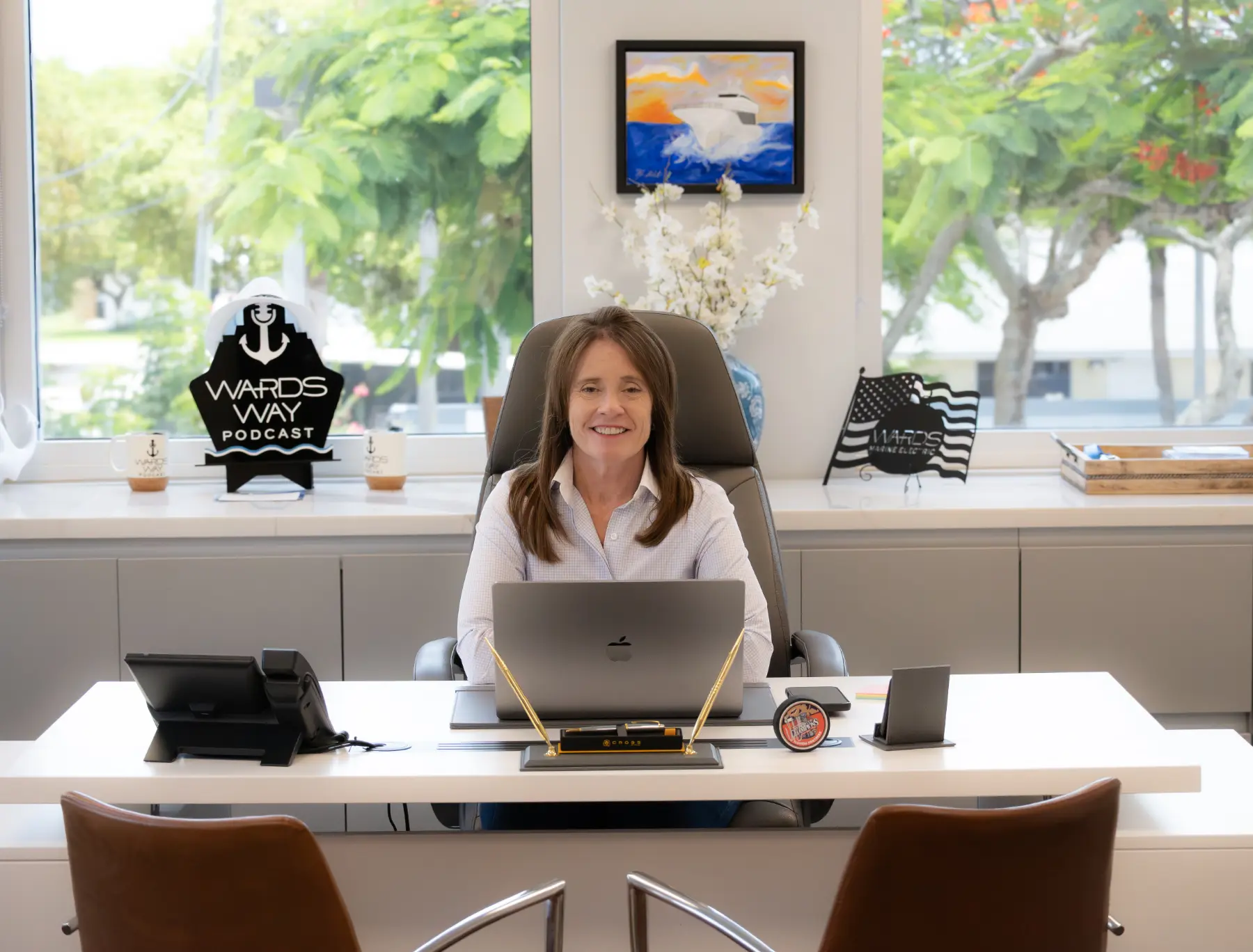
Kristina Hebert is President and CEO of Wards Marine Electric, a third-generation family business founded in 1950 and globally recognized for its marine electrical expertise. Having grown up in the industry under the leadership of her grandfather and father, she joined the company in 1996 and later served as Chief Operating Officer for more than two decades before becoming CEO. With a bachelor’s degree in political science from the University of South Florida, Kristina combines her legislative background with decades of operational and technical sales experience. She is also a two-term past president of the Marine Industries Association of South Florida and a current ABYC board member. Today, she leads Wards Marine Electric’s continued growth and hosts The Wards Way podcast, featuring prominent industry leaders and policymakers at major boat shows, boating tournaments, the American Boating Congress, and the ICOMIA/IFBSO Congress.
Guest Speaker: