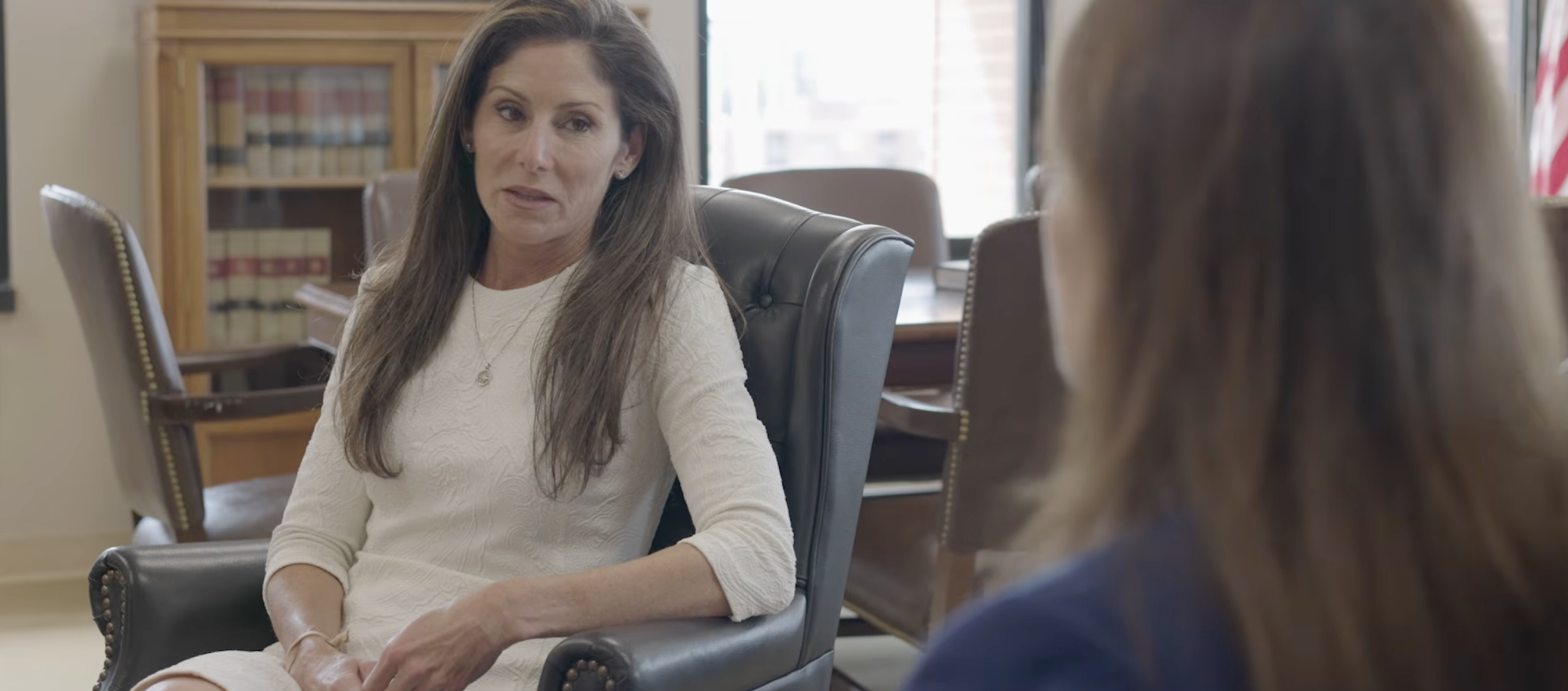
Louis Sola and Building Maritime America
The marine industry often looks glamorous from the outside, but this conversation shows how it really runs on relationships, logistics, and long-term economic impact. Lou Sola traces his start to the Fort Lauderdale International Boat Show in 2005, where he bought a Bertram and instantly ran into the unglamorous reality of service, support, and distribution. That friction became opportunity. By agreeing to become the Panama dealer, he helped create a high-end yacht dealership model that treated boating like a premium automotive experience, building repeat trust through responsiveness, expertise, and a network of high net worth clients who wanted performance and reliability on the water.
Evermarine’s growth also highlights a key SEO truth about the yachting industry: boats create ecosystems. A single new yacht sale drives marina demand, maintenance spend, provisions, electronics upgrades, fuel, crew services, and trades like mechanics and welders. Lou explains how Panama had to expand marina development because there was literally nowhere to put the yachts being sold, sometimes leaving new boats on buoys. The business expanded into service operations for vessels transiting the Panama Canal, including quick-turn maintenance during the 12-hour crossing. That is a clear example of maritime infrastructure meeting real-world boating demand, and why working waterfront access matters for local economies.
The episode then pivots into federal maritime policy and how a private-sector operator adapts to public service. Lou describes the shift from yacht brokerage to politics through fundraising and relationship-building, culminating in a nomination to the Federal Maritime Commission. For listeners searching “what does the Federal Maritime Commission do,” the answer here is concrete: the FMC regulates commercial activities on the water tied to ocean shipping and cruise passenger operations, influencing contract terms, port practices, and supply chain rules that affect trillions of dollars in goods. Small regulatory levers, like container free time and port delivery windows, can ripple through the entire US supply chain.
COVID-19 put that authority under a spotlight. Lou was tasked with cruise ships during the shutdown, including the repatriation of Americans stranded overseas and the confusing patchwork of health protocols across ports. He outlines how best practices were identified and scaled nationally, and how advocacy helped restart cruising responsibly. A standout policy win was reforming cruise ticket refund rules, pushing toward a clearer, synchronized approach that felt more like airline refund expectations. He also describes modifying the Passenger Vessel Act to enable Alaska cruise itineraries when Canada closed borders, a rare update to a 150-year law with bipartisan support.
The last stretch focuses on what maritime advocacy can do next for recreation and American competitiveness. Lou argues that maritime prosperity zones and a broader maritime action plan should include a recreational boating component, because the economic benefits extend far beyond boat owners to thousands of skilled jobs and suppliers. He also connects the dots between ship repair capacity and the long-term goal of expanding US shipbuilding, including American yacht manufacturing. The practical takeaway is a roadmap: create a clear white paper, quantify blue-collar job creation, explain indirect economic impact, and bring lawmakers a proposal written in the format regulators actually need to approve.
Host & Author:
Wards Marine Electric
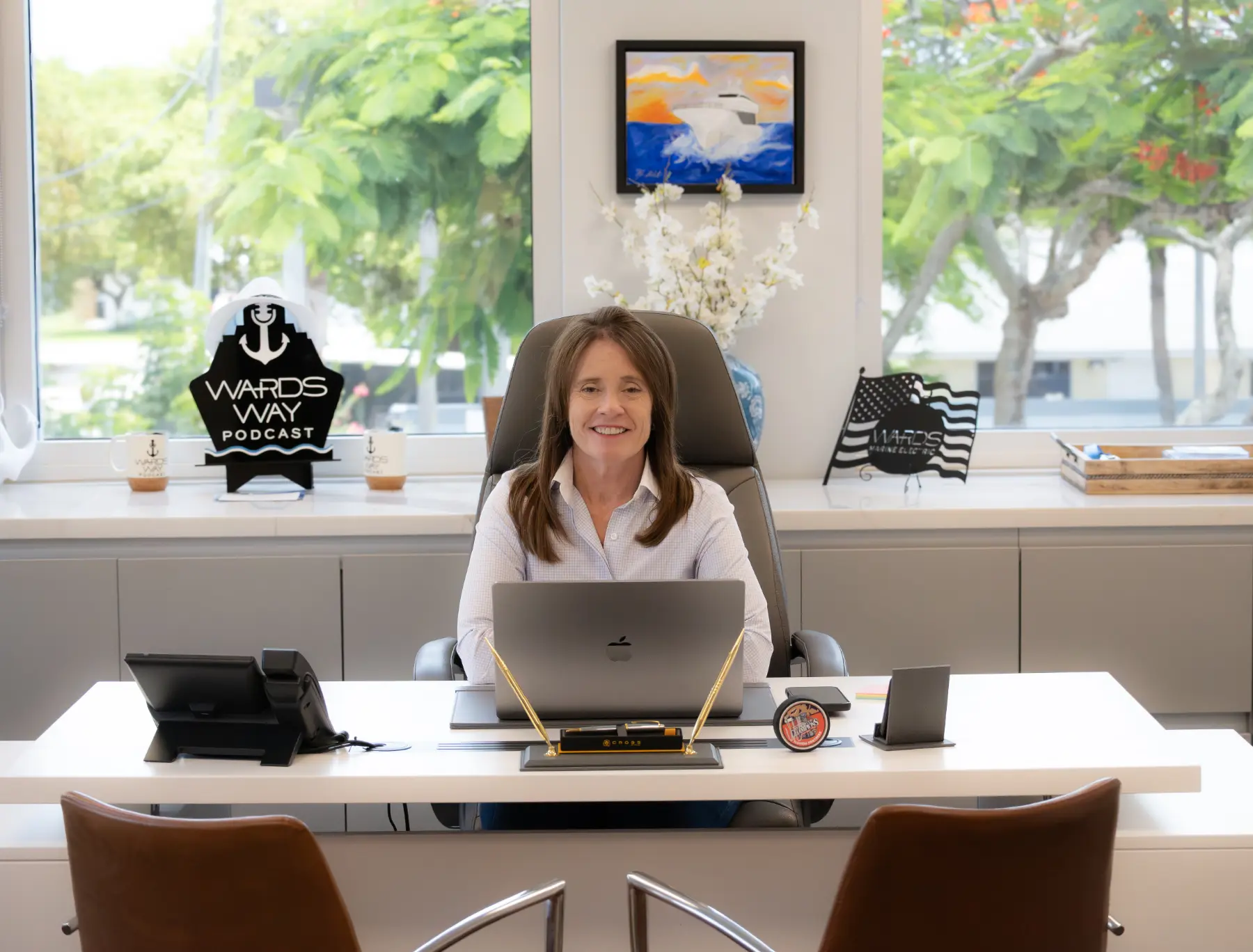
Kristina Hebert is President and CEO of Wards Marine Electric, a third-generation family business founded in 1950 and globally recognized for its marine electrical expertise. Having grown up in the industry under the leadership of her grandfather and father, she joined the company in 1996 and later served as Chief Operating Officer for more than two decades before becoming CEO. With a bachelor’s degree in political science from the University of South Florida, Kristina combines her legislative background with decades of operational and technical sales experience. She is also a two-term past president of the Marine Industries Association of South Florida and a current ABYC board member. Today, she leads Wards Marine Electric’s continued growth and hosts The Wards Way podcast, featuring prominent industry leaders and policymakers at major boat shows, boating tournaments, the American Boating Congress, and the ICOMIA/IFBSO Congress.
Guest Speaker: