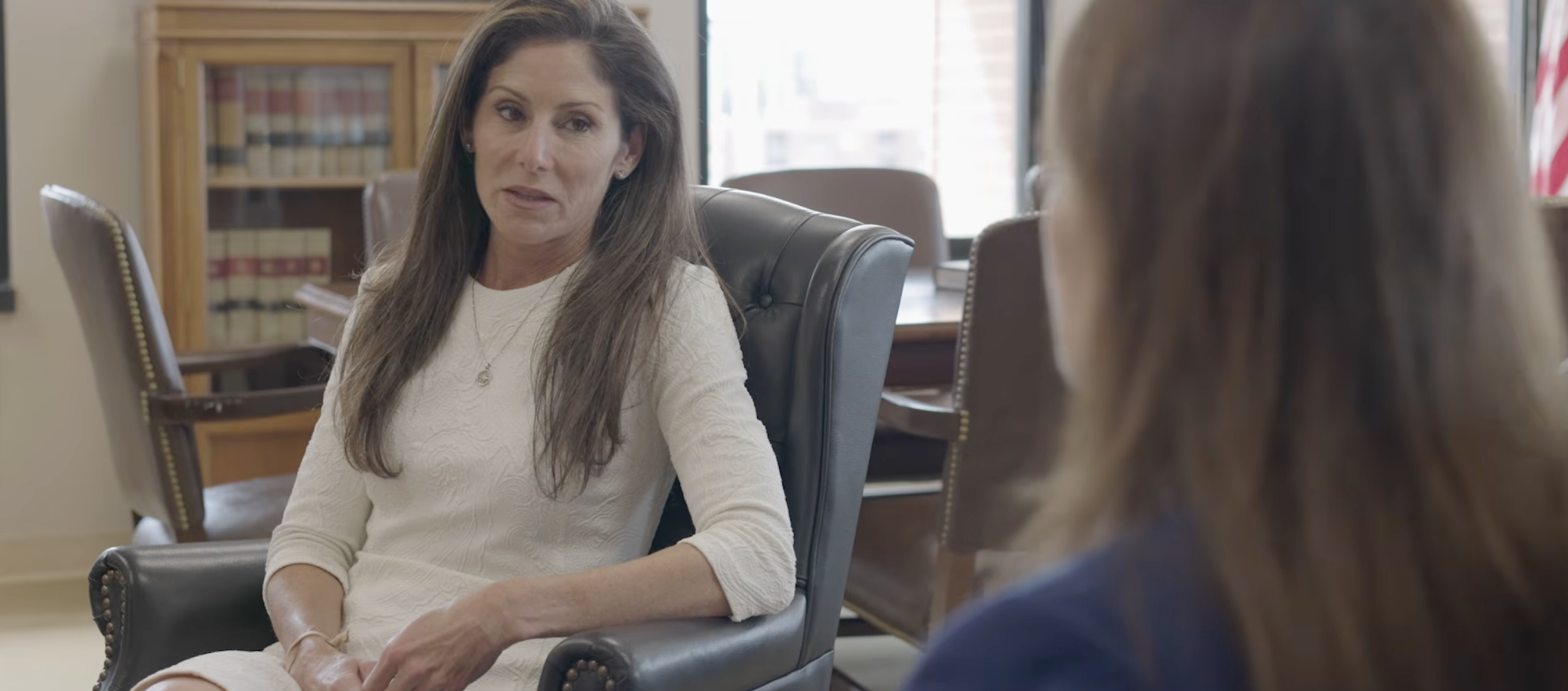

Inside The Federal Maritime Commission With Chair Laura DiBella
Laura DeBella’s path to becoming Chair of the Federal Maritime Commission (FMC) shows how modern maritime policy is shaped by people who have lived both the land side and the water side of commerce. She starts in Florida commercial real estate, moves into economic development, and then gets pulled into port leadership at the Port of Fernandina. That “temporary” assignment becomes a crash course in how ports, pilots, terminals, and carriers actually keep goods moving. For listeners who care about trade, logistics, and U.S. competitiveness, her journey is a reminder that ocean shipping is not abstract. It is local jobs, local tax base, and the practical ability for American businesses to reach global markets.
The episode’s most vivid operational insight comes from the COVID era, when DeBella leads the Florida Harbor Pilots Association just as the supply chain crisis begins. Harbor pilots are often invisible to the public, yet without them many ships cannot legally move in and out of port. The conversation highlights how hard the industry had to fight to get mariners recognized as essential employees while facing serious health risks and unstable rules. It also surfaces a persistent imbalance in infrastructure attention: roads and rail attract funding and headlines, while waterside needs like channels, berths, and navigation support can be overlooked. That gap matters because a single bottleneck on the water can ripple across the entire supply chain.
From there, the discussion moves into what the Federal Maritime Commission actually does: regulate ocean shipping tied to U.S. cargo and intervene when threats undermine efficient, economic, and competitive transportation. DeBella emphasizes that the FMC is a bipartisan, collaborative agency with economists, lawyers, and administrative law judges focused on outcomes rather than partisan noise. A key theme is the Maritime Action Plan and the push to rebuild U.S. maritime capacity. In her frame, success starts with cargo. If more cargo moves on U.S.-flag vessels, shipbuilding and maritime services have a stronger demand signal. The episode also explores maritime opportunity zones designed to protect working waterfronts, especially in places where industrial access competes with residential development.
Listeners also get a grounded look at tariffs and reshoring. DeBella describes seeing tariffs drive serious manufacturing recruitment during earlier economic development work, not as a quick fix but as a long-term incentive that changes corporate decisions over time. That long horizon matches the generational scope of restoring American shipbuilding and strengthening the U.S. merchant marine. The conversation then clarifies the difference between the FMC and the Maritime Administration (MARAD): MARAD focuses on U.S.-flag and merchant marine capacity, while the FMC focuses on cargo and the regulated marketplace around it. A standout regulatory detail is the “special permission request” process, where certain regulated entities must justify rapid rate increases; DeBella notes recent requests were rejected when the numbers did not support the ask, reinforcing the FMC’s role in protecting shippers from unjustified inflationary spikes.
Finally, the episode widens to global risk and maritime security through a choke point study that looks at critical passages such as the Panama Canal, Suez Canal, Strait of Malacca, Bering Strait, and the English Channel. DeBella flags how detentions and control over terminals can weaponize maritime supply chains, citing concerns around Panama-flagged ships and geopolitical retaliation. The closing turns hopeful, imagining what future trade with Cuba could mean for Florida’s economy, and pointing to Venezuela as a near-term example of how reopened routes can create new maritime opportunity. For anyone tracking supply chain resilience, ocean shipping regulation, and U.S. maritime strategy, the conversation connects policy levers to real-world movement of goods.
Host & Author:
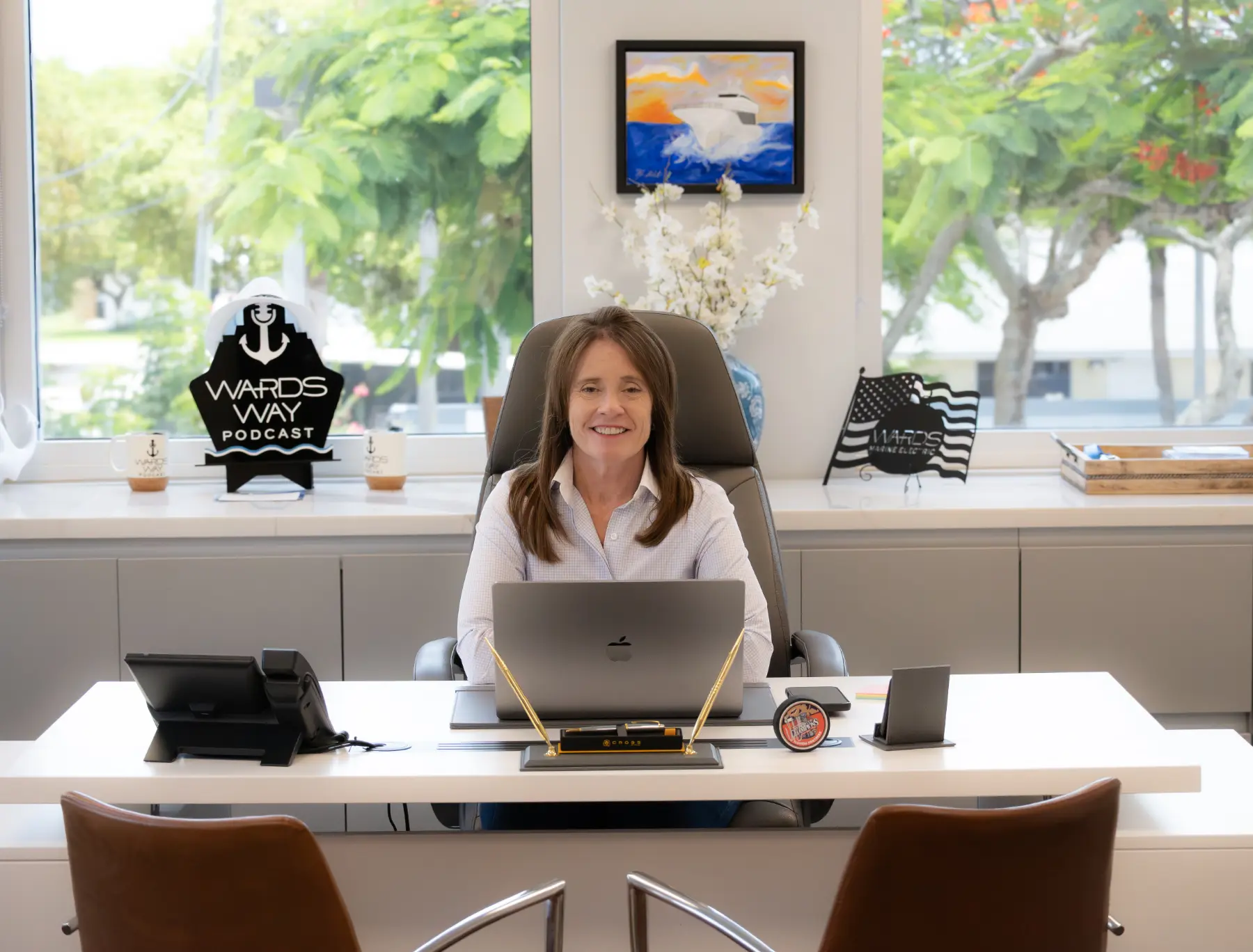
Wards Marine Electric
Kristina Hebert is President and CEO of Wards Marine Electric, a third-generation family business founded in 1950 and globally recognized for its marine electrical expertise. Having grown up in the industry under the leadership of her grandfather and father, she joined the company in 1996 and later served as Chief Operating Officer for more than two decades before becoming CEO. With a bachelor’s degree in political science from the University of South Florida, Kristina combines her legislative background with decades of operational and technical sales experience. She is also a two-term past president of the Marine Industries Association of South Florida and a current ABYC board member. Today, she leads Wards Marine Electric’s continued growth and hosts The Wards Way podcast, featuring prominent industry leaders and policymakers at major boat shows, boating tournaments, the American Boating Congress, and the ICOMIA/IFBSO Congress.
Guest Speaker: