
Can Tech And Boaters Team Up To End Ship Strikes
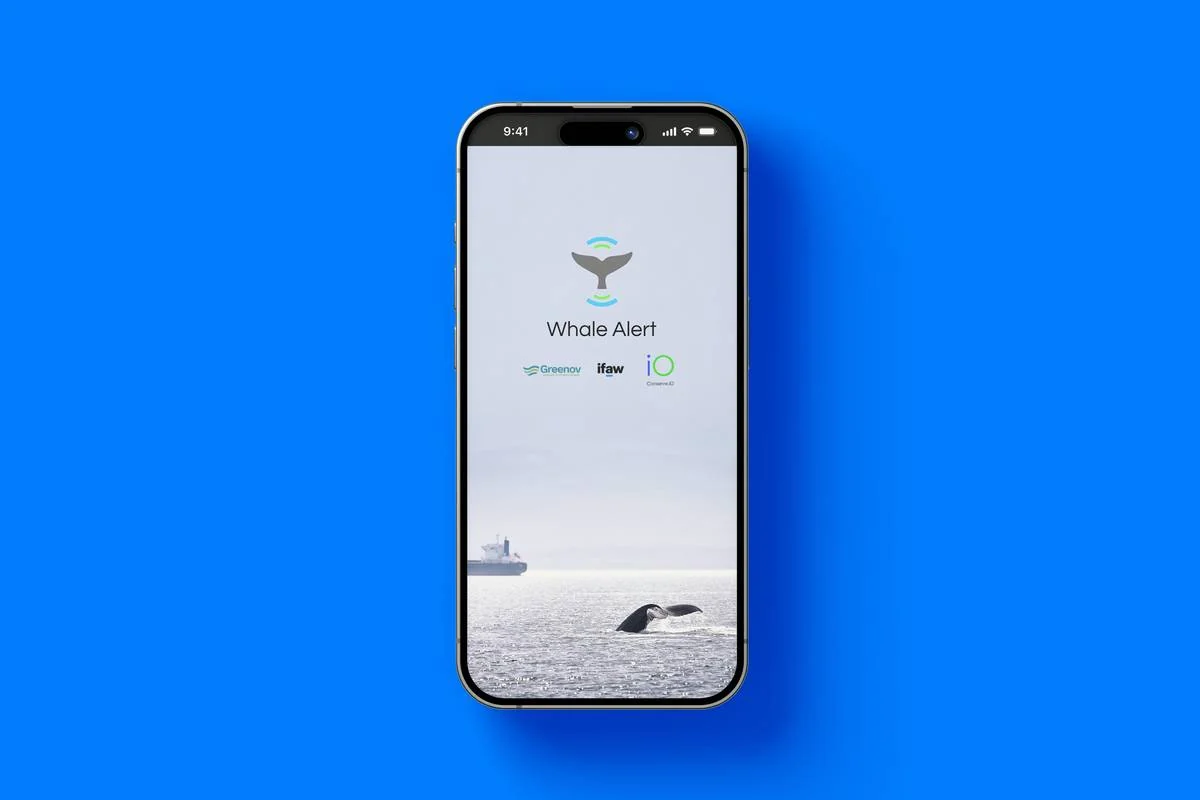
Miami’s sun and chrome set the stage for a conversation that matters far beyond one harbor: how boaters and whales can share the same blue highways without tragedy. Our guest, Virgil Zetterland, co‑founded the Whale Alert app, a citizen science platform built to reduce vessel collisions with whales and improve safety for everyone on the water. The stakes are real. For large whales, collisions and fishing gear entanglement are the top human causes of injury and death. For boaters, striking a whale at speed can mean severe damage, medical emergencies, and life‑altering outcomes. The heart of the story is practical: give mariners timely information, put it where they already navigate, and make safer choices effortless.
Virgil’s path began in eNavigation with marine charts layered onto Google Earth, then pivoted as mobile devices reshaped cockpits. By 2012, Whale Alert arrived on iPhone, followed by Android, expanding from Boston’s right whale waters to global coverage with localized rules for the U.S., Canada, and Europe. Funding helped translate the app into French and Spanish and add approach guidelines across 13 European countries. This multilingual reach matters at sea, where a clear rule in your language can prevent a bad decision at 25 knots. The app mixes official data and community reports to show recent sightings, speed advisories, and protected zones, all designed to help a captain make the right call in seconds.
Policy enters the wake but doesn’t steer the boat. We unpack the existing seasonal management areas: 10‑knot speed limits for vessels over 65 feet along migration corridors based on historic data. That 10‑knot threshold isn’t guesswork; studies show roughly 90% lower mortality when a strike occurs at or below that speed. A proposal to extend these rules to smaller vessels drew heavy debate and, for now, no final rule. Instead of digging trenches, industry leaders formed the Whale and Vessel Safety (WAVES) Task Force to accelerate voluntary measures, education, and tech adoption. That pivot captures the episode’s thesis: progress happens faster when people who love the water build solutions together.
Technology is closing the gap between awareness and action. PredictWind’s DataHub can now pull Whale Alert sightings from the cloud and convert them into AIS virtual buoys that appear directly on your chartplotter. You don’t have to open another app; the warning is right on your nav screen, alongside charts and weather. Meanwhile, the National Marine Electronics Association is drafting a new NMEA 2000 and possibly 0183 standard for marine megafauna sightings, so manufacturers can implement one consistent data sentence. Once standardized, connected devices could subscribe to Whale Alert’s service over the cloud, making wildlife awareness a native feature across brands and fleets.
Numbers give the issue urgency. North Atlantic right whales likely number under 400 individuals, with around 80 breeding females. A handful of preventable losses can echo for decades. Recent unusual mortality events tied to shifting feeding grounds in the Gulf of St. Lawrence exposed how entanglement and strikes stack risk. Yet the conversation stays constructive: educate, slow down when advised, and use the tools. SeaReportSave.org launches as a hub for best practices, live maps, and links to gear that fits your kind of boating. The call is simple and pragmatic: download Whale Alert, turn on the layers where available, subscribe to updates, and make safety a habit. One ocean, shared by many, gets safer when information flows as freely as the tide.
Host & Author:
Wards Marine Electric
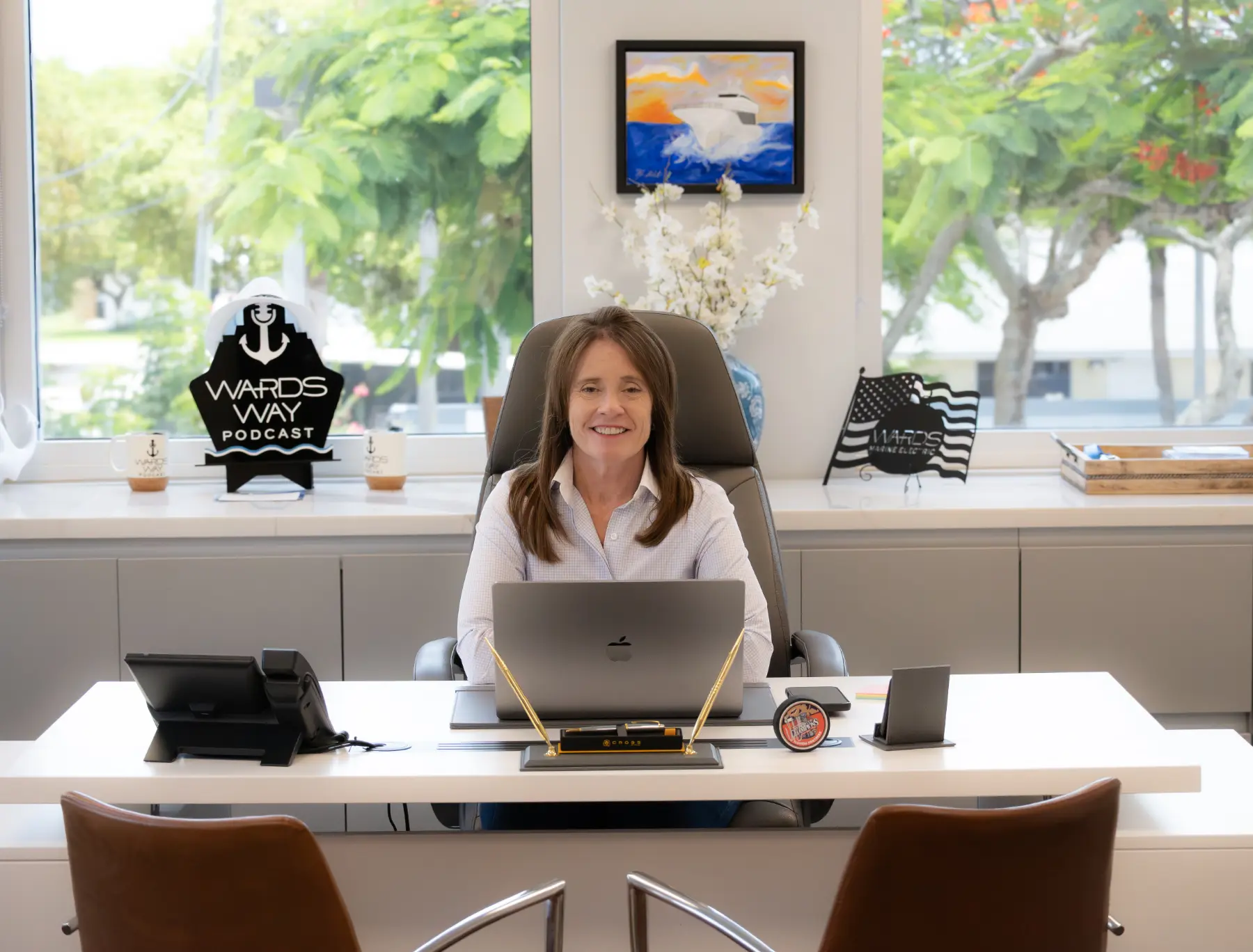
Kristina Hebert is President and CEO of Wards Marine Electric, a third-generation family business founded in 1950 and globally recognized for its marine electrical expertise. Having grown up in the industry under the leadership of her grandfather and father, she joined the company in 1996 and later served as Chief Operating Officer for more than two decades before becoming CEO. With a bachelor’s degree in political science from the University of South Florida, Kristina combines her legislative background with decades of operational and technical sales experience. She is also a two-term past president of the Marine Industries Association of South Florida and a current ABYC board member. Today, she leads Wards Marine Electric’s continued growth and hosts The Wards Way podcast, featuring prominent industry leaders and policymakers at major boat shows, boating tournaments, the American Boating Congress, and the ICOMIA/IFBSO Congress.
Guest Speaker: