%402x.svg)

What Does It Take To Build A 100-Year Brand?
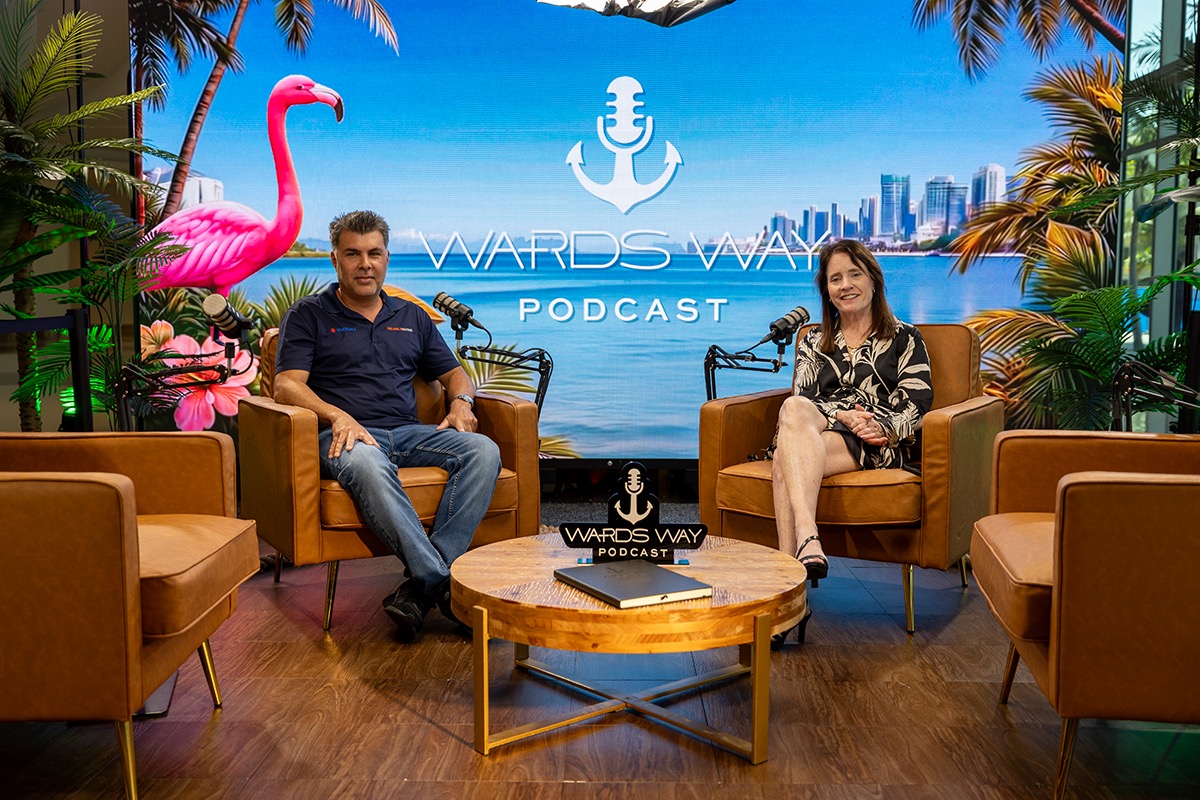
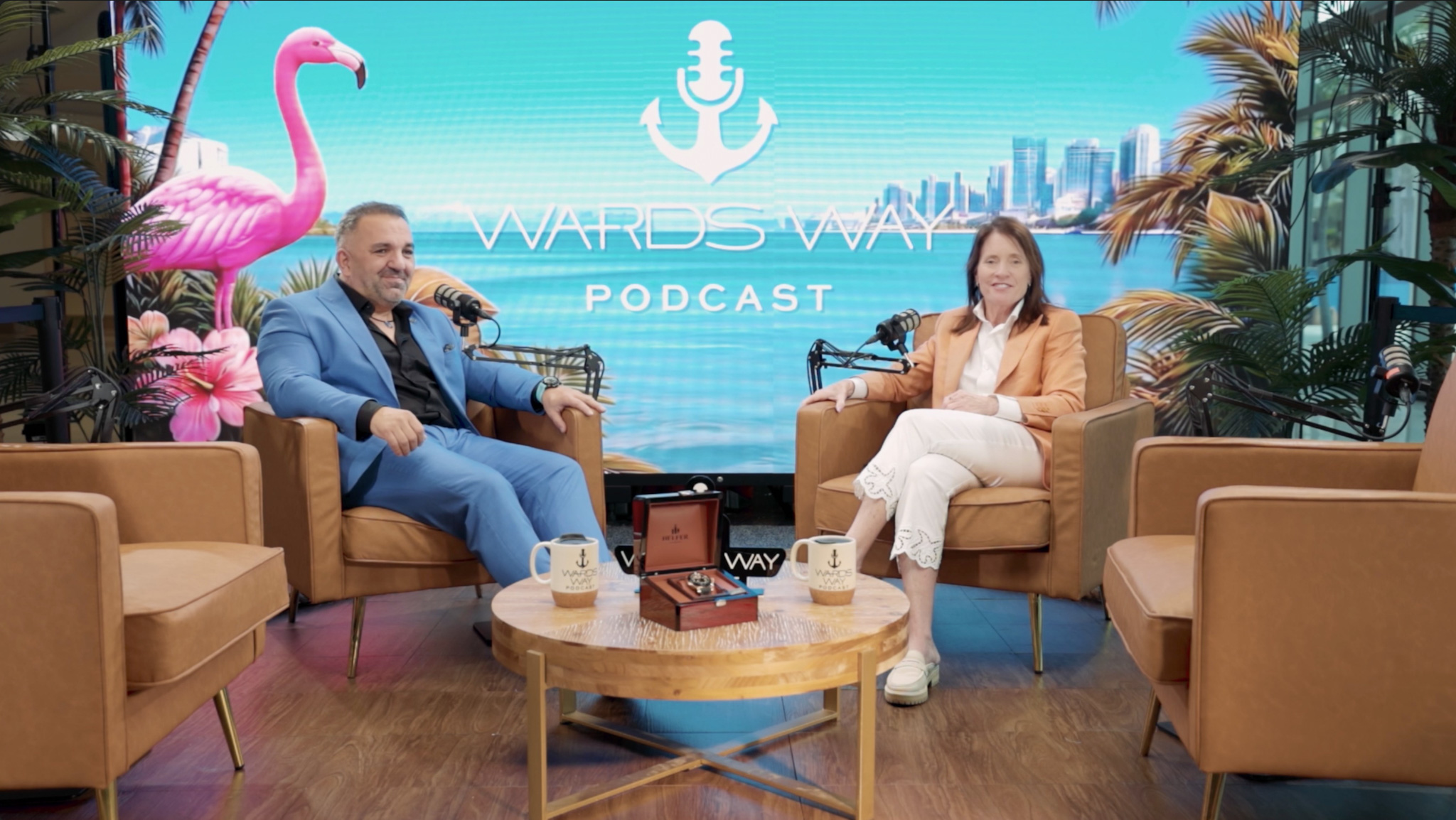
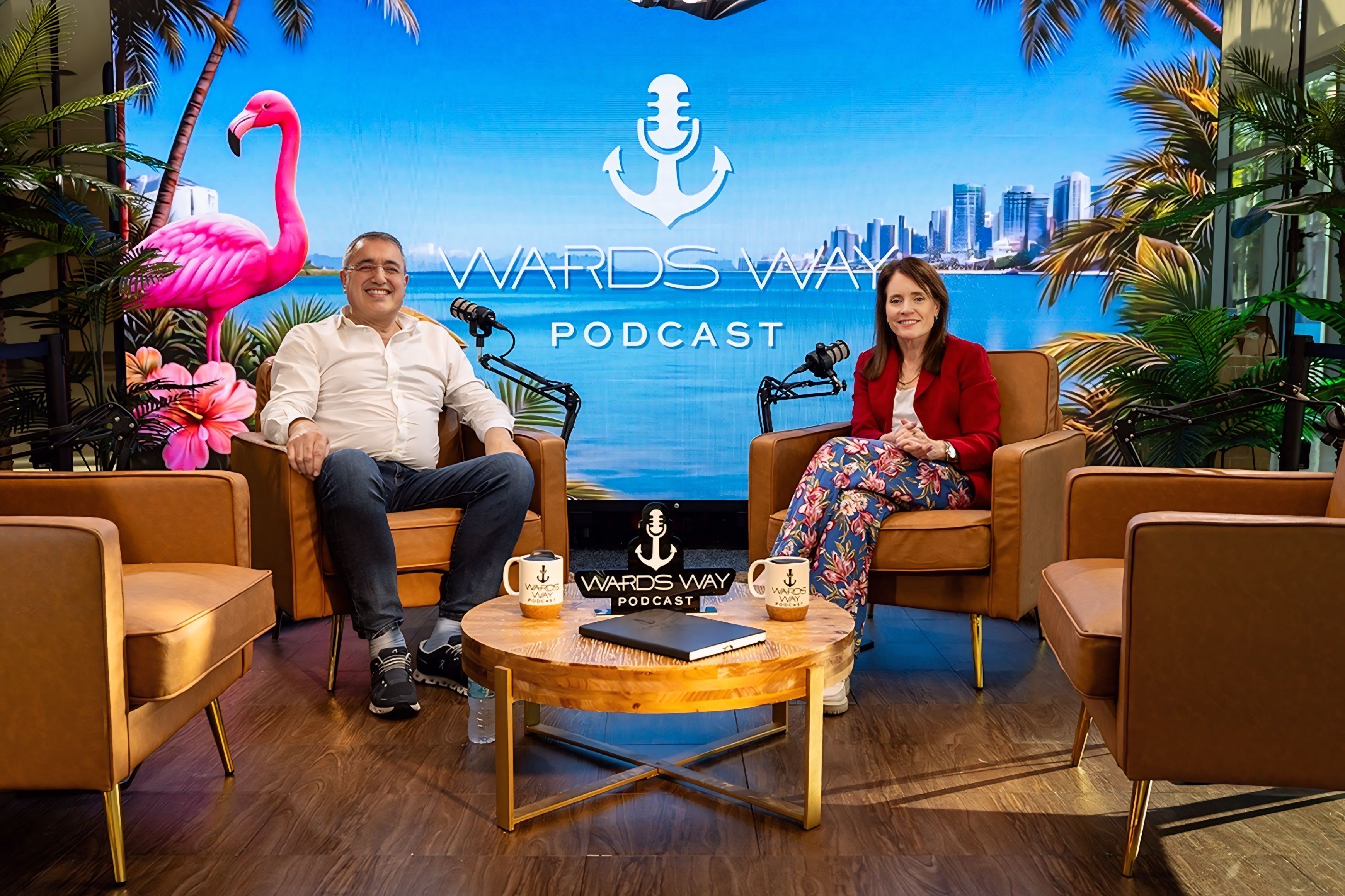
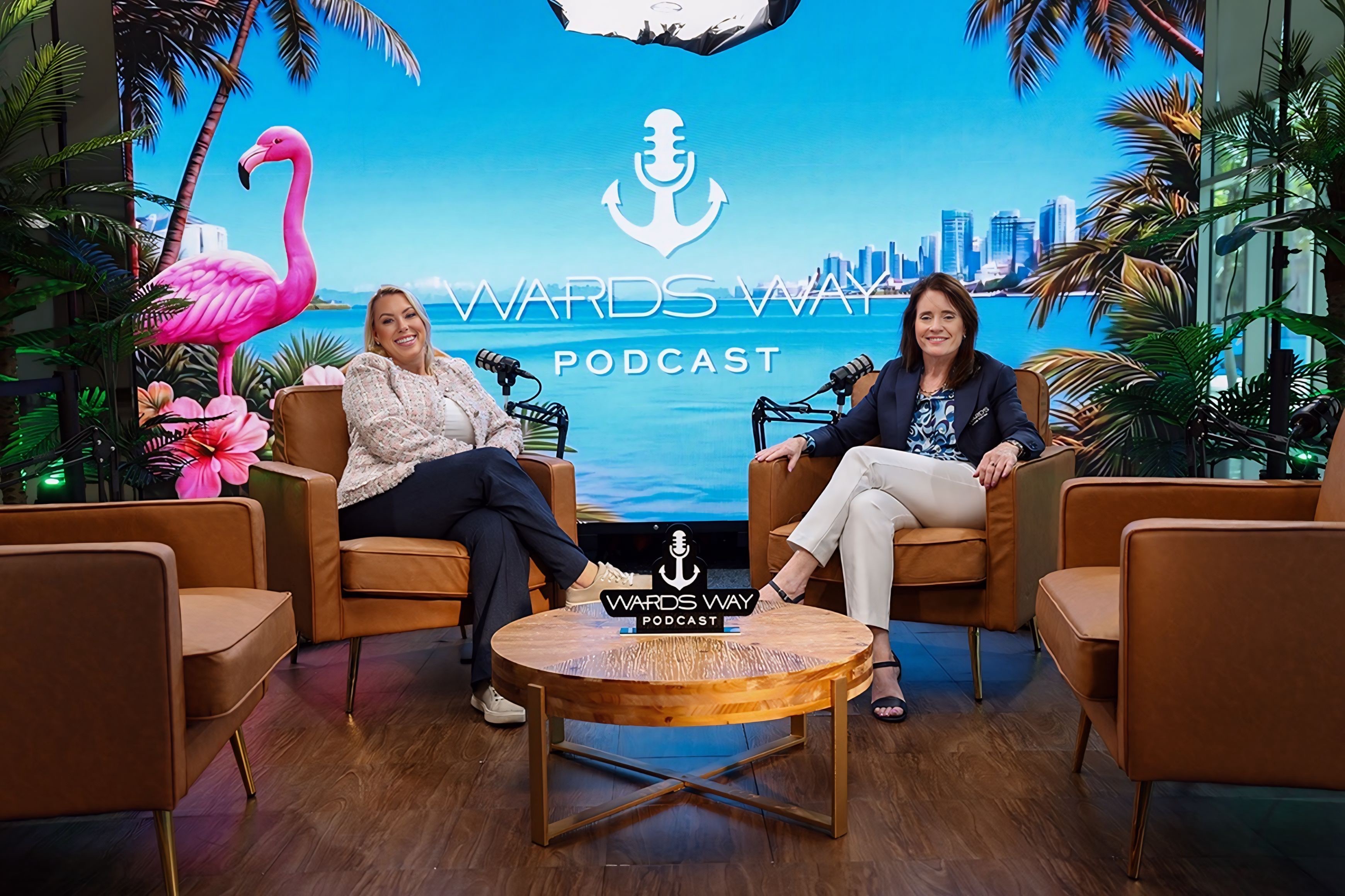
In Season 6, Episode 13, host Kristina Hebert welcomes Krissy Wiborg, Chief Marketing and Business Development Officer at Bob Hewes Boats, for a deep dive into the company’s remarkable legacy. Miami’s skyline glitters, but the real shine of this story lives on the water. In 1926, a small outboard shop at the mouth of the Miami River sparked what would become a fourth-generation marine legacy, weaving racing culture, family grit, and product breakthroughs into a century of momentum. The journey begins with great-grandfather Lou Hewes—a car dealer turned boat racer who united a team and a vision, ultimately planting the seeds for the Miami International Boat Show. That decision rooted the business in a city defined by salt, sun, and speed. The early days were lean, the war years brutal, but perseverance kept the doors open and the brand anchored to Miami’s ever-evolving marine scene.
As the story moves into the postwar era, innovation takes center stage. Bob Hewes returned from Navy service partially deaf but wholly focused—his obsession with performance and design undimmed. Water ski boards evolved into the Wildcat ski boat in the late 1950s, a platform forged by both sport and community. A day on the flats with legendary angler Lefty Kreh sparked a revelation: the Wildcat’s hull sat shallow enough to be reimagined for flats fishing. That inspiration became the Hewes Bonefisher in the 1960s—the first fiberglass production flats boat, transforming a niche craft from one-off garage builds into consistent, reliable manufacturing. Pros like Bill Curtis and Bob Stearns contributed insights that refined every curve and gunwale, reshaping how sight-fishing happened across skinny water.
Progress in design was never a single leap, but a story of continuous iteration. Over 25 years, the team retooled and refined models, translating expert requests into innovations that shifted the sport. The poling platform, for example, sprang from a simple demand: stand higher, see farther, move quieter. Instead of hacking ladders onto bows, the family engineered an elevated, stable perch over the engine to pole from. This single invention improved control, visibility, and stealth—and it spread across flats boats the way good ideas do: quietly at first, then all at once. Alongside the poling platform came the Redfisher and larger hulls, pushing capability without losing the intimate, technical feel that makes flats fishing addictive.
Family business is a current that runs as strong as any Gulf Stream. Hand-offs weren’t always neat, but they were always decisive. When Bob retired from manufacturing, he sold rights to Maverick, while a new generation focused on expanding the dealership’s scale and service. Employee counts climbed, locations multiplied, and a Miami-to-Pompano footprint emerged. Growth wasn’t built on splashy slogans, but on listening to craftsmen, guides, and customers—transforming lived experience on the water into smarter boats and better service. That humility—learn, adjust, iterate—carried the brand through hard decades and unpredictable tides.
The marketing tide turned, too. What once lived in Yellow Pages listings and Florida Sportsman print moved to social channels, archival videos, and podcasts. Thirty years ago, catalogs were loaded from stacks of floppy disks; now the team runs Throwback Tuesday and Thursday across Instagram and Facebook, unlocking a living museum of photographs, boats, and stories. Long-form interviews with old-timers stitch oral history into searchable, shareable content. The centennial celebration at the Miami Boat Show isn’t nostalgia; it’s a call to remember what was solved, who provided feedback, and how innovation thrives when the community shapes the product.
Beneath the milestones beat themes that matter to any builder: resilience through downturns, curiosity that turns critique into upgrades, and respect for mentors whose lessons outlive them. The founders didn’t predict smartphones or podcasts, but they built a system flexible enough to absorb change. Today’s team balances brand heritage with digital reach, honoring local roots while speaking to a global marine audience. The question ahead isn’t whether tech will shift again—it will—but whether the culture stays close to the water, to craftspeople, and to the anglers who know when design gets it right. This century-long wake suggests the answer: keep listening, keep testing, and keep showing up on the flats before sunrise.
Listen to the full episode by searching Wards Way wherever you get your podcasts. Like, subscribe, and join the conversation in the comments.
Host & Author:
Wards Marine Electric
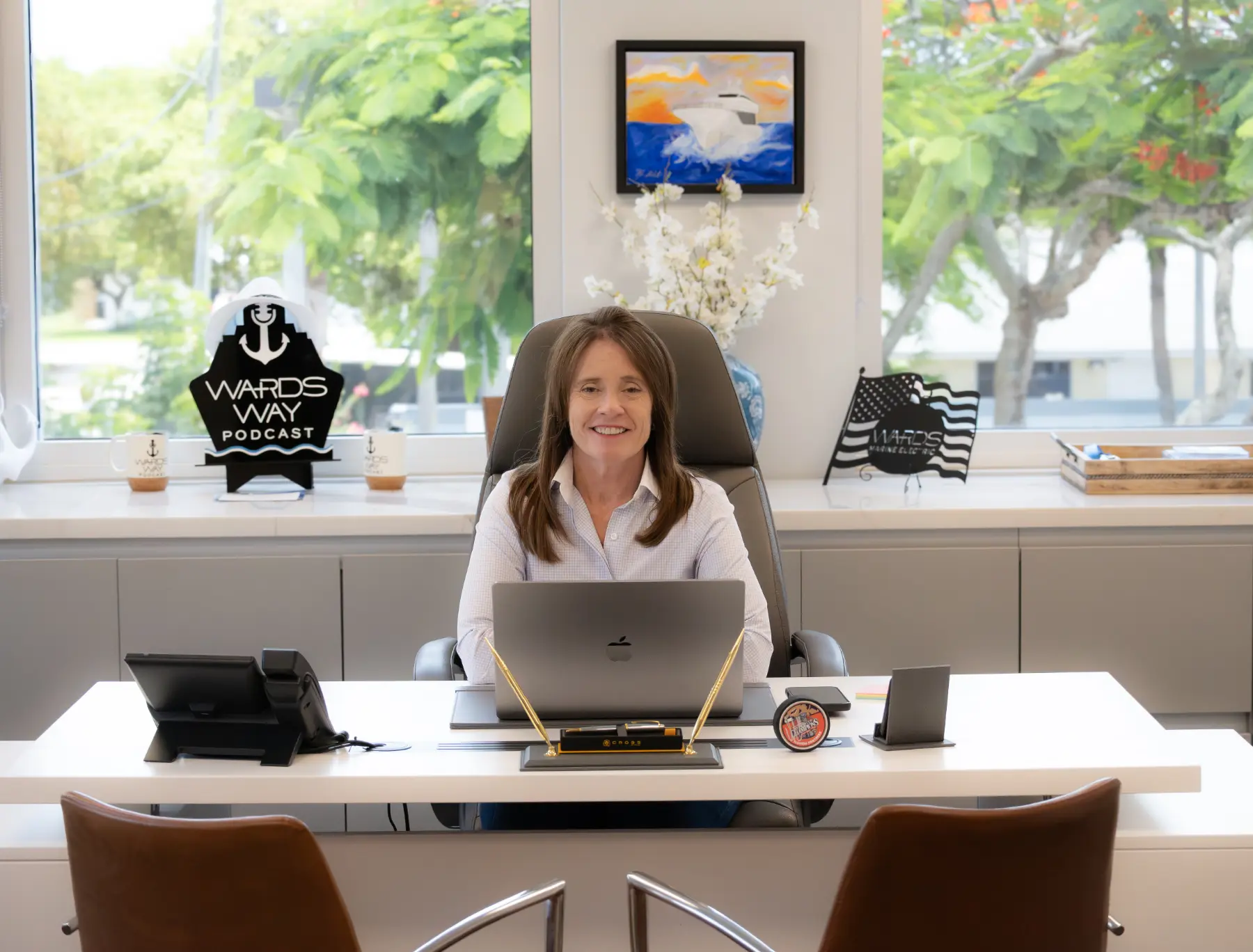
Kristina Hebert is President and CEO of Wards Marine Electric, a third-generation family business founded in 1950 and globally recognized for its marine electrical expertise. Having grown up in the industry under the leadership of her grandfather and father, she joined the company in 1996 and later served as Chief Operating Officer for more than two decades before becoming CEO. With a bachelor’s degree in political science from the University of South Florida, Kristina combines her legislative background with decades of operational and technical sales experience. She is also a two-term past president of the Marine Industries Association of South Florida and a current ABYC board member. Today, she leads Wards Marine Electric’s continued growth and hosts The Wards Way podcast, featuring prominent industry leaders and policymakers at major boat shows, boating tournaments, the American Boating Congress, and the ICOMIA/IFBSO Congress.
Guest Speaker:
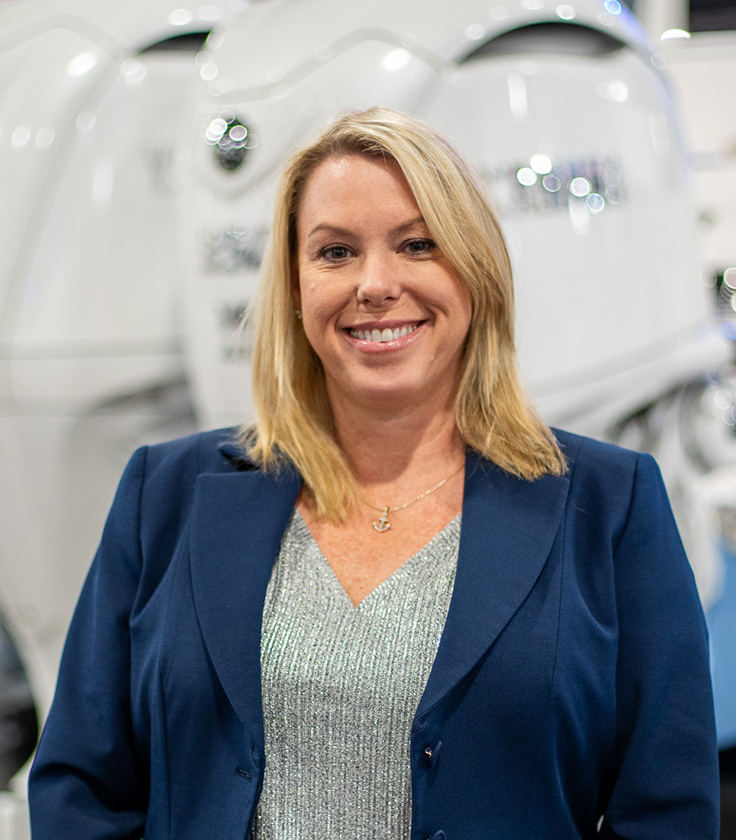
Krissy Wiborg is the Chief Marketing and Business Development Officer at Bob Hewes Boats, a fourth-generation marine business approaching its 100th anniversary. She helps preserve the company’s rich legacy while expanding its reach through modern storytelling, digital marketing, and a continued commitment to innovation, service, and the boating community.