%402x.svg)
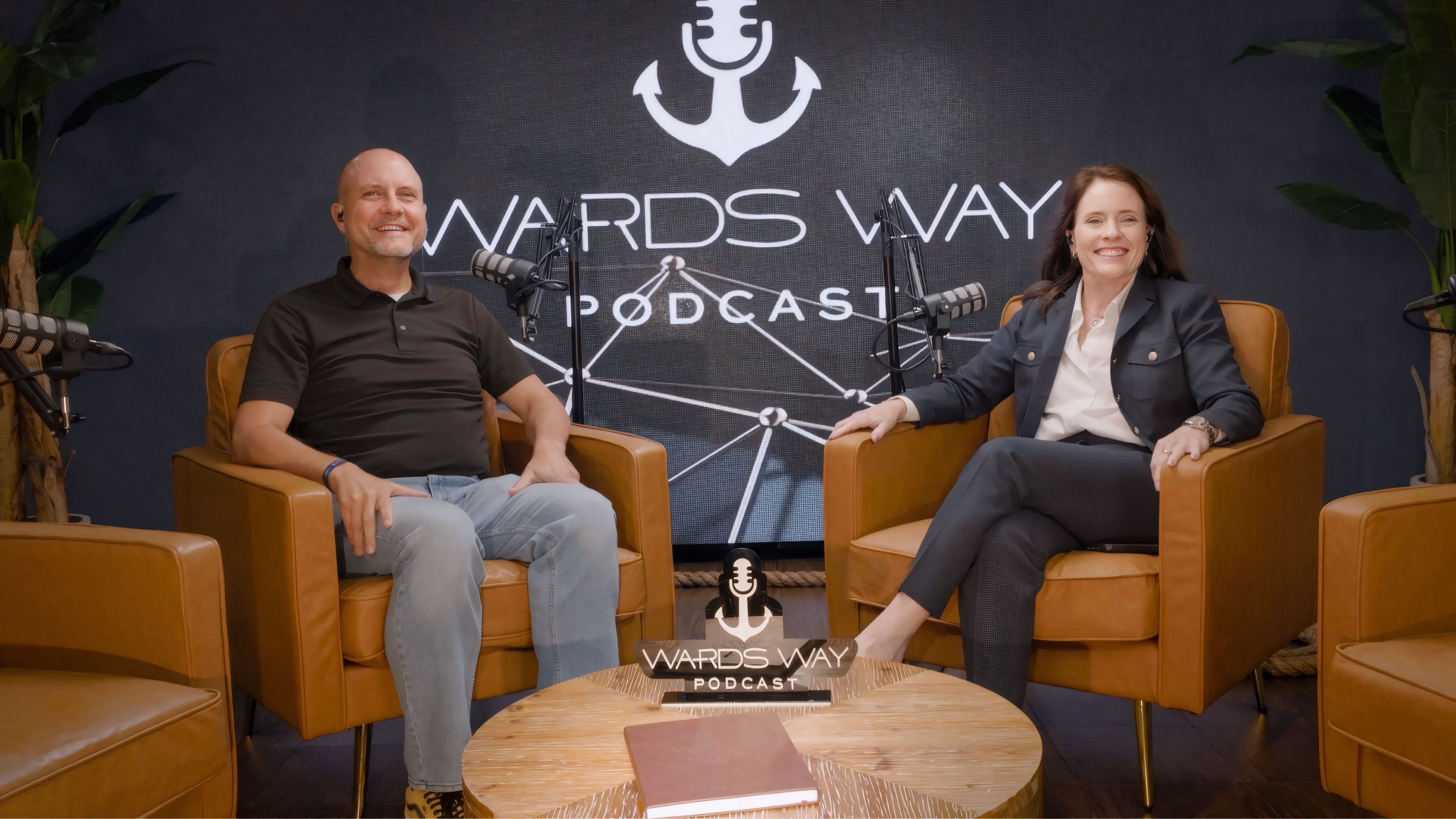

Resilient Seas: Season 5 Episode 6 with Corey Ranslem
https://www.buzzsprout.com/2270245/episodes/18207114
In Season 5, Episode 7 of the Wards Way podcast, host Kristina Hebert engages with Corey Ranslem, President and CEO of Dryad Global. They delve into Dryad Global's strategic relevance within the maritime sector. Hebert and Ranslem explore the critical role of advocacy and legislative engagement in shaping industry standards and policies. They analyze pressing issues impacting the current yachting landscape, providing insights particularly pertinent given the show's prominent platform. The 2025 Fort Lauderdale International Boat Show serves as an apt backdrop for this in-depth discussion on the evolving dynamics of the yachting industry.
The marine industry has a reputation for glamour, but the real story unfolds in the invisible systems that keep vessels safe, crews legal, and local economies humming. Kristina and Corey explore how maritime intelligence helps cargo lines, cruise ships, and large yachts navigate a volatile world, and why cybersecurity at sea demands tools different from those used ashore. They also trace a straight line from those tools to policy: visas, cruising permits, and the bureaucratic gears that can stall a season or unlock jobs. Behind the headlines lies a web of small firms, skilled trades, and coordinators who keep the waterborne economy alive.
Maritime intelligence starts with a simple question: what’s changing between point A and point B? In today’s traffic-choked, geopolitically complex oceans, the answer can shift overnight. Dryad Global specializes in the analysis behind the dot on the map—GPS jamming, spoofing, regional health issues, port security posture, and shifting rulesets. The value is context: not just where an incident occurred, but why it matters to a specific vessel with a unique risk tolerance. Some clients subscribe year-round, while others tap targeted voyage briefs. The second pillar is cybersecurity tailored to ships’ limited bandwidth and compute power; protection that throttles 75% of a yacht’s connection ruins charters and operations. Effective maritime cyber stacks are light, resilient, and compatible with an always-on hospitality experience.
The conversation then shifts to advocacy, the quiet engine keeping opportunity alive. The stereotype suggests that big yachts benefit few; the truth is, they sustain many. When a vessel docks, small businesses snap into motion: electricians, electronics techs, fuel suppliers, riggers, crew agents, surveyors, and dozens more. Legislators across the aisle respond when we translate that activity into jobs and district-level impact. The duo discusses how they've seen it during the most challenging moments, from 9/11 to market shocks and even government shutdowns. The method is constant education, clear asks matched to jurisdiction, and warm relationships before the crisis arrives. When lawmakers know your people, your payroll, and your problem in plain terms, they solve it.
Hot topics repeat with new faces: B1/B2 visas for crew, CBP interpretations on cruising permits and permissions to proceed, and the knock-on effects when panels with Coast Guard and CBP go dark during shutdowns. Missed briefings ripple into missed calls, delayed arrivals, and canceled work. That is why businesses must engage at two levels. Locally, know your city, state, and federal reps, invite them to your yard or office, and show them the payroll. Nationally, work through trade associations that maintain year-round relationships and drive coordinated letter-writing, testimony, and meetings. A single company can spark awareness; a member-backed association converts it into policy traction.
The U.S. also faces a strategic choice: rebuild shipbuilding capabilities while doubling down on strengths in refit, repair, sportfish excellence, and center console innovation. The talent pipeline is the keystone. Skilled trades are climbing in value, yet require patient investment in apprenticeships, certifications, and on-the-job learning. Electricians, marine engineers, and cyber technicians will be the backbone of the next decade. Ten years sounds long until a decade vanishes; the right time to seed training and supplier ecosystems is now. Meanwhile, America’s sportfish builders show how craftsmanship and innovation can anchor global prestige while feeding regional economies.
Finally, global rules start in one room: the International Maritime Organization. If the large yacht sector is not present early in subcommittees, it inherits standards optimized for cargo and cruise. That matters in emissions targets, safety, and digital security. The marine sector’s total emissions share is small, but leadership still expects practical pathways: cleaner operations, safer seas, smarter compliance. The takeaway is simple and urgent. If you’re not at the table, you are on the menu. Show up locally. Show up in Washington. Show up at the IMO through your associations. That’s how we turn boat show buzz into durable, industry-wide wins.
Tune in to the complete episode available on your preferred streaming platform. We encourage you to engage with our content by liking, subscribing, and providing your insights in the comments section.
Host & Author:
Wards Marine Electric
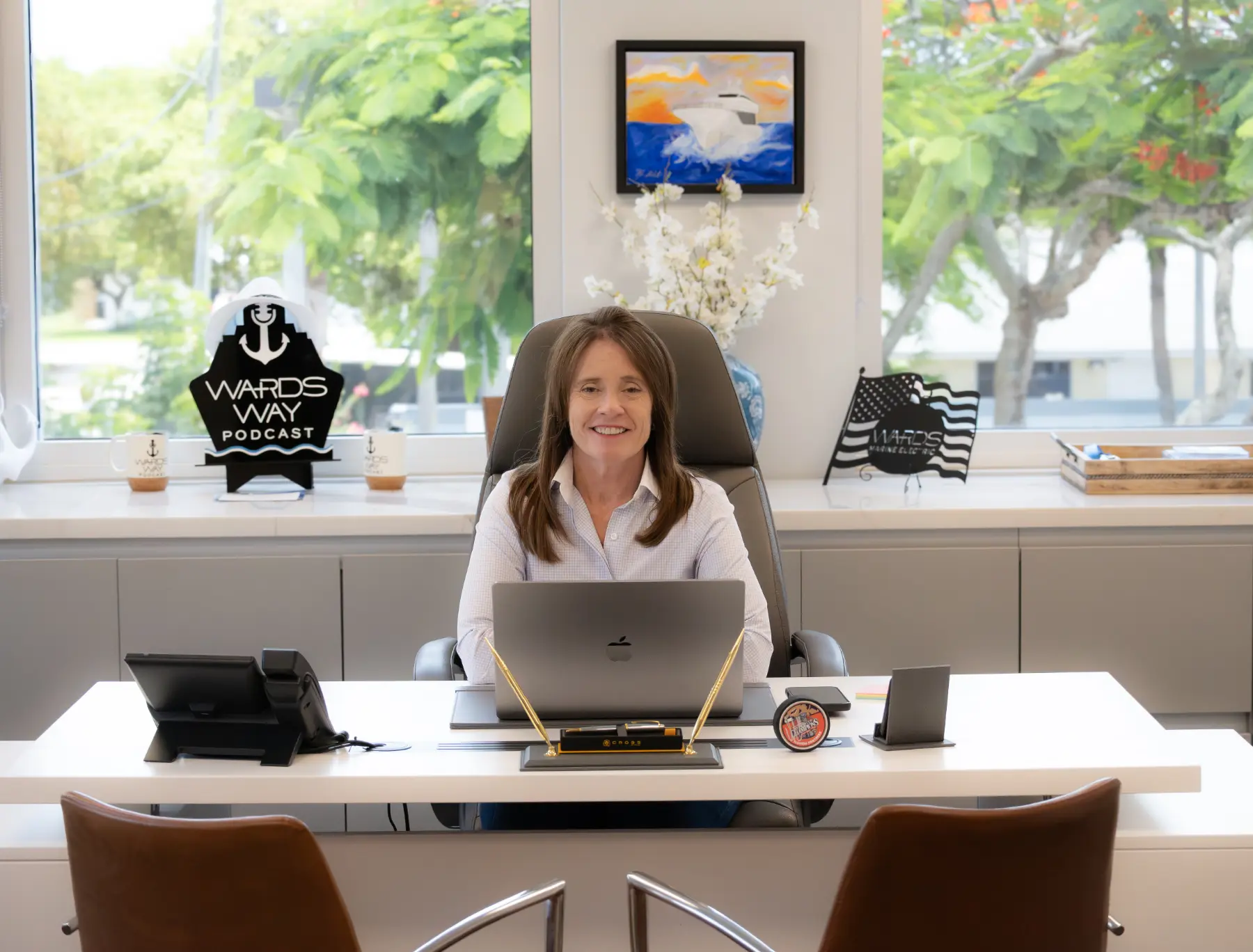
Kristina Hebert is President and CEO of Wards Marine Electric, a third-generation family business founded in 1950 and globally recognized for its marine electrical expertise. Having grown up in the industry under the leadership of her grandfather and father, she joined the company in 1996 and later served as Chief Operating Officer for more than two decades before becoming CEO. With a bachelor’s degree in political science from the University of South Florida, Kristina combines her legislative background with decades of operational and technical sales experience. She is also a two-term past president of the Marine Industries Association of South Florida and a current ABYC board member. Today, she leads Wards Marine Electric’s continued growth and hosts The Wards Way podcast, featuring prominent industry leaders and policymakers at major boat shows, boating tournaments, the American Boating Congress, and the ICOMIA/IFBSO Congress.