%402x.svg)
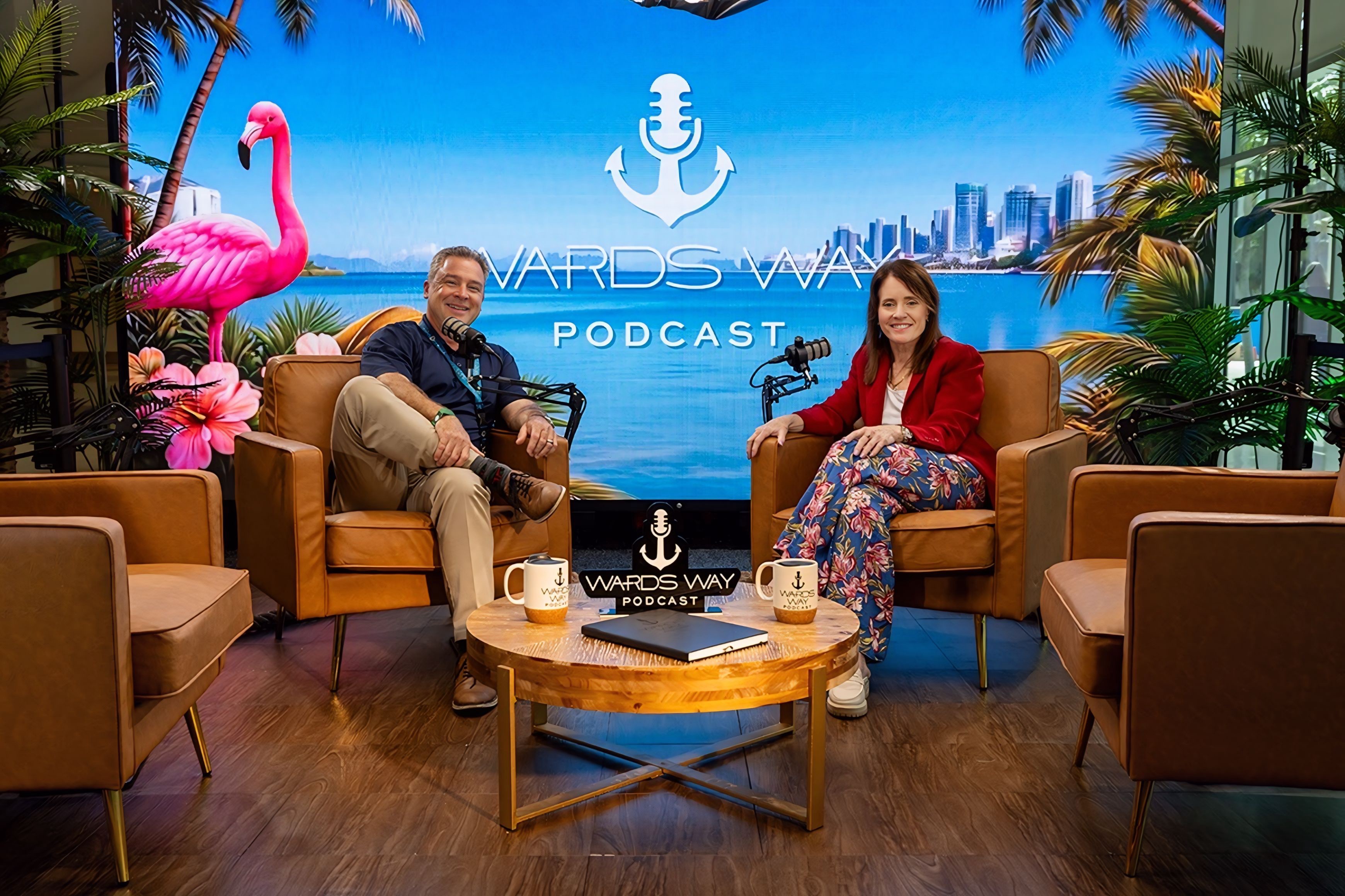

Miami Boat Show, Built On Water: Informa's VP Larry Berryman
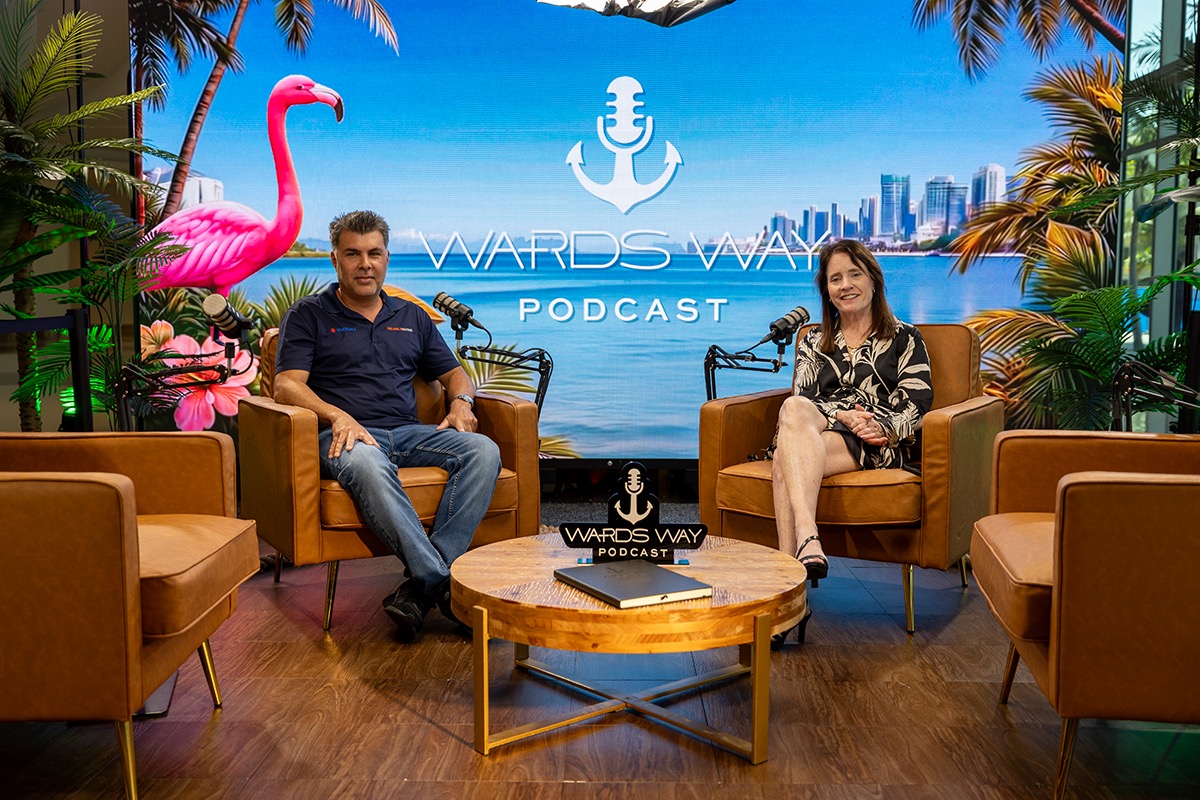
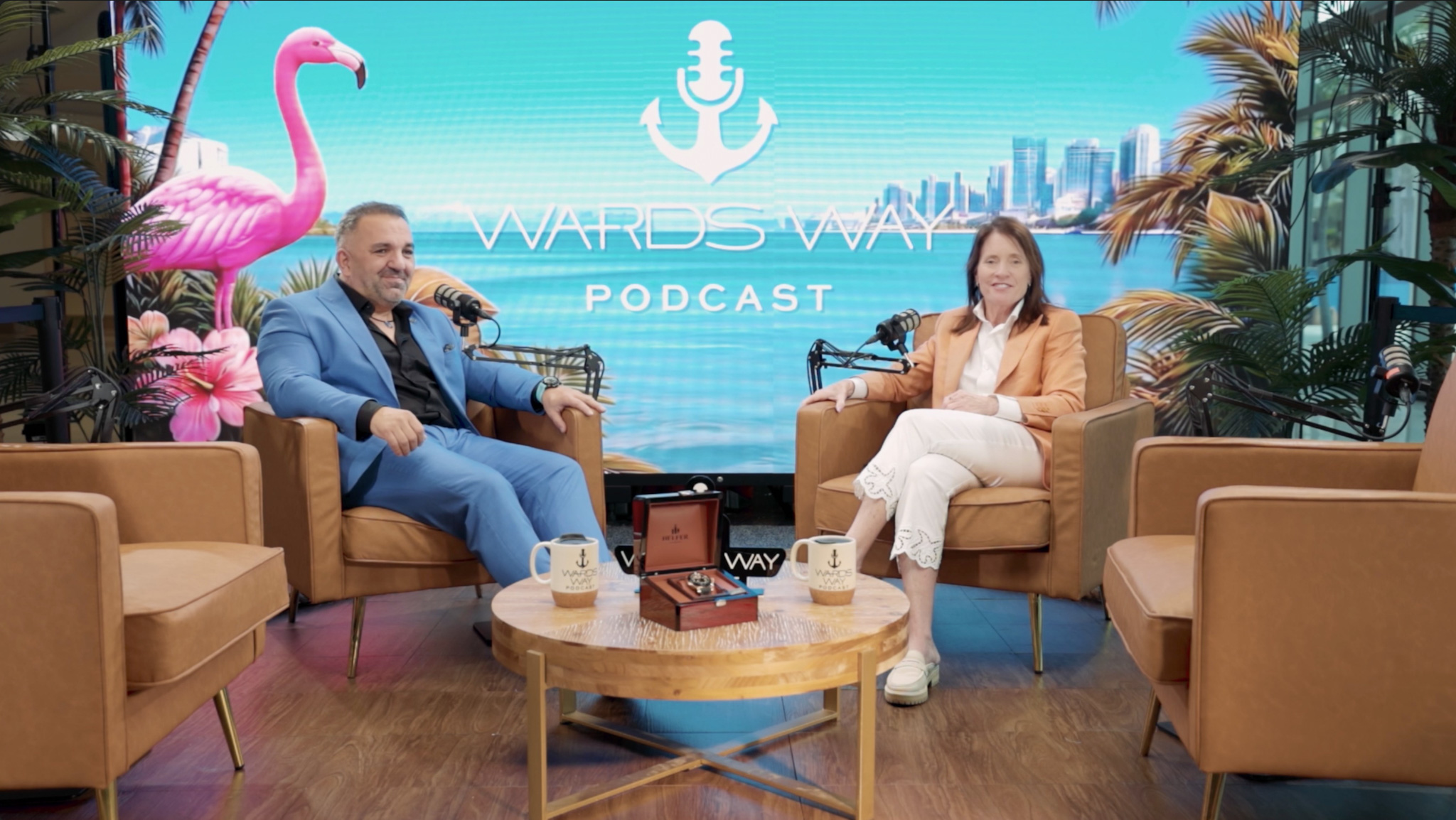
Miami’s boating culture is more than sunshine and sleek hulls; it’s an ecosystem of logistics, policy, small business grit, and a century of tradition that keeps the city’s heart beating at the waterline. Season 6, Episode 8 of the Wards Way podcast finds host Kristina Hebert in conversation with Larry Berryman, VP of Informa. Together, they take listeners onto the docks and behind the scenes, where hard choices and careful planning shape the Discover Boating Miami International Boat Show. We explore why the team brought the Yacht Collection back to Collins Avenue for the first time since 2018, how they shortened travel times between venues, and what it takes to turn a stretch of seawall into a living marina. The story is equal parts engineering, diplomacy, and hospitality, all aimed at creating a connected, memorable experience for exhibitors and guests.
The return to Collins Avenue wasn’t a nostalgia play; it was a strategic move to restore on-foot connectivity to hotels, restaurants, and nightlife while elevating the attendee journey. To earn city support, Informa agreed to a bold condition: keep Collins open. That meant rethinking everything—leasing staging at Pelican Harbor, floating in docks, tents, and electrical gear by water, and coordinating with Marine Patrol, rowers, and residents on tight daily windows. The team ultimately mobilized about 80 percent of the build by water. The payoff was tangible: cross-venue trips were cut roughly in half, there were more same-day visits, and a sense of flow let people do more in fewer hours.
We also look at Sailor’s Cove’s shift to IGY Yacht Haven Grand on Watson Island, where permanent infrastructure replaced temporary builds. Exhibitors felt the difference immediately and asked to make it home. These moves show how venue design shapes outcomes: better access means better meetings, and better meetings lead to deals, content, and community. Then there’s the invisible workforce—tens of thousands of hours from operations crews, police, cleaning teams, transport pros, and dock engineers—who build and break down a campus-scale event for a public window of just over forty hours. The show feels effortless because an army makes it so.
Larry Berryman’s journey grounds the narrative in relationships. Starting on the sales floor, he learned to sell more than booths—he sold confidence, safety, and opportunity. That philosophy powers exhibitor success. Whether you offer sunglasses or a 100-foot yacht, creating an experience is the differentiator: a space that welcomes, teaches, and surprises. Informa’s approach to ideas is pragmatic and open—safety and feasibility first, creativity encouraged. That mindset lets brands host milestone moments, like a 100th anniversary party, and generate the kind of memories that deepen loyalty and lift the whole industry.
The boat show also serves as a stabilizer. Through hurricanes, economic swings, tariffs, and a pandemic, Miami’s show stayed on schedule where possible, because missing a year risks making participation optional. For South Florida, boating isn’t a side note; it’s the economic infrastructure supporting over a hundred thousand jobs and countless small businesses, from detailers and dockhands at 4 a.m. to security and cleaners late into the night. Consistency sustains their calendars and cash flows. Beyond commerce, advocacy matters: industry groups and show leaders collaborate on policy to protect water access, sensible speed rules, and a regulatory climate that keeps families and builders thriving. When access is threatened, partners in D.C. and locally amplify the stakes with data and stories.
Finally, we head north, where Informa is launching a Chicago show tailored to a compressed season. Great Lakes boating runs on deadlines, with dealers racing to launch fleets by early June. The format will blend upland exhibits with temporary docks at Burnham Harbor, proving that a show can meet the region where it lives. The lesson across Miami, Palm Beach, Sarasota, and now Chicago is clear: design for local realities, champion access, and invest in experience. Do those well, and a show becomes more than an event—it becomes a bridge between people and the water they love.
To hear the full conversation, tune in to the Wards Way podcast on your preferred streaming platform or watch the episode on the Wards Way YouTube channel (@WardsWay75). Your engagement—listening, subscribing, or sharing your thoughts—helps us continue bringing you stories from the heart of the boating industry.
Host & Author:
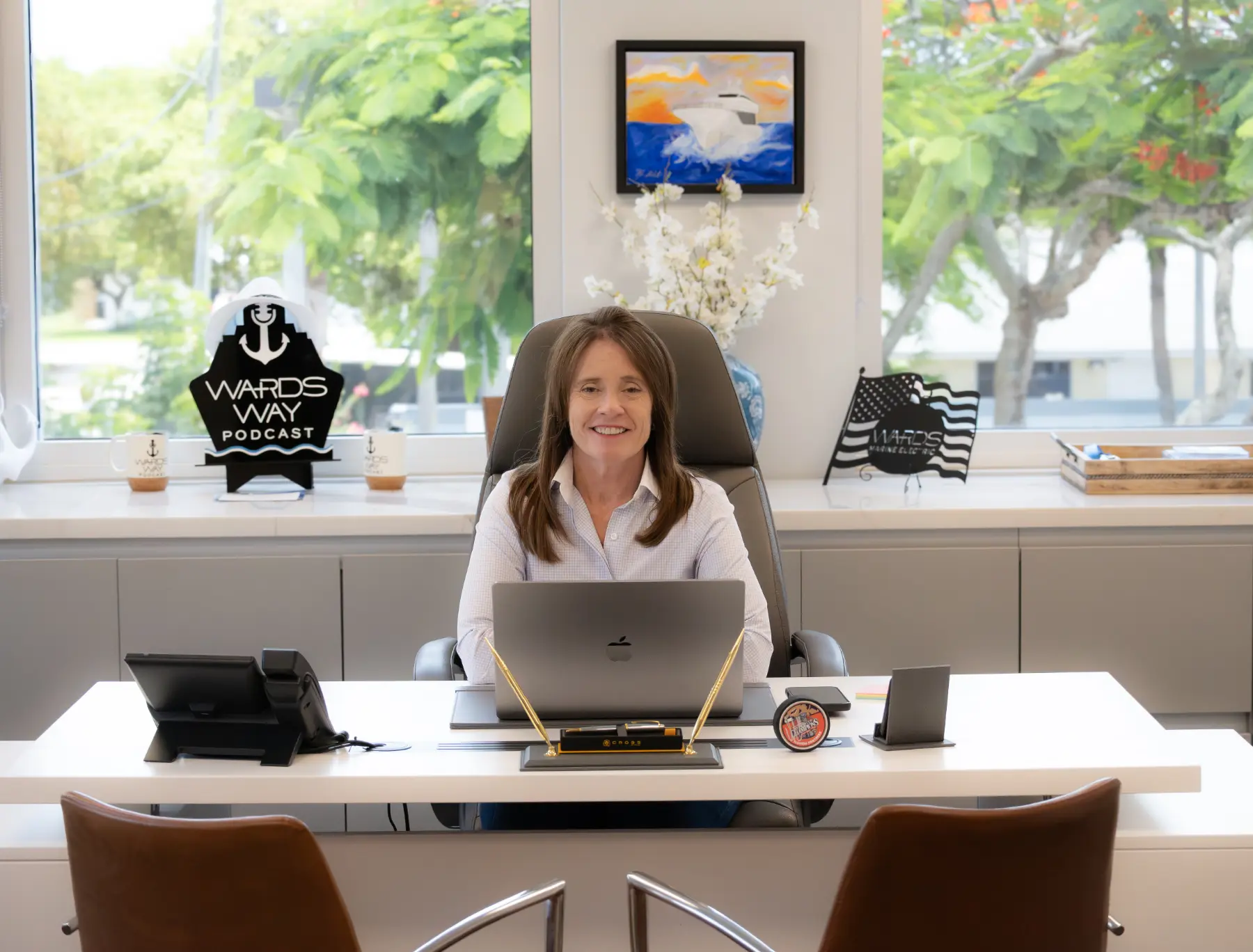
Wards Marine Electric
Kristina Hebert is President and CEO of Wards Marine Electric, a third-generation family business founded in 1950 and globally recognized for its marine electrical expertise. Having grown up in the industry under the leadership of her grandfather and father, she joined the company in 1996 and later served as Chief Operating Officer for more than two decades before becoming CEO. With a bachelor’s degree in political science from the University of South Florida, Kristina combines her legislative background with decades of operational and technical sales experience. She is also a two-term past president of the Marine Industries Association of South Florida and a current ABYC board member. Today, she leads Wards Marine Electric’s continued growth and hosts The Wards Way podcast, featuring prominent industry leaders and policymakers at major boat shows, boating tournaments, the American Boating Congress, and the ICOMIA/IFBSO Congress.
Guest Speaker:
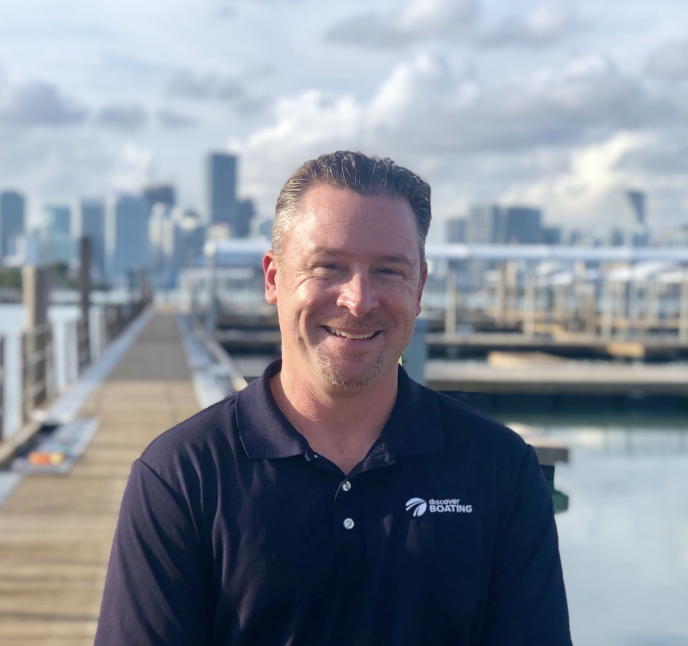
Larry Berryman is Vice President at Informa, where he helps lead the Discover Boating Miami International Boat Show and other major marine events. With a background in sales, operations, and exhibitor relations, he is dedicated to creating exceptional experiences that support the boating industry, local businesses, and greater access to the water.