%402x.svg)

Inside NMMA: Policy, Access, And The Business Behind Miami’s Boating Boom
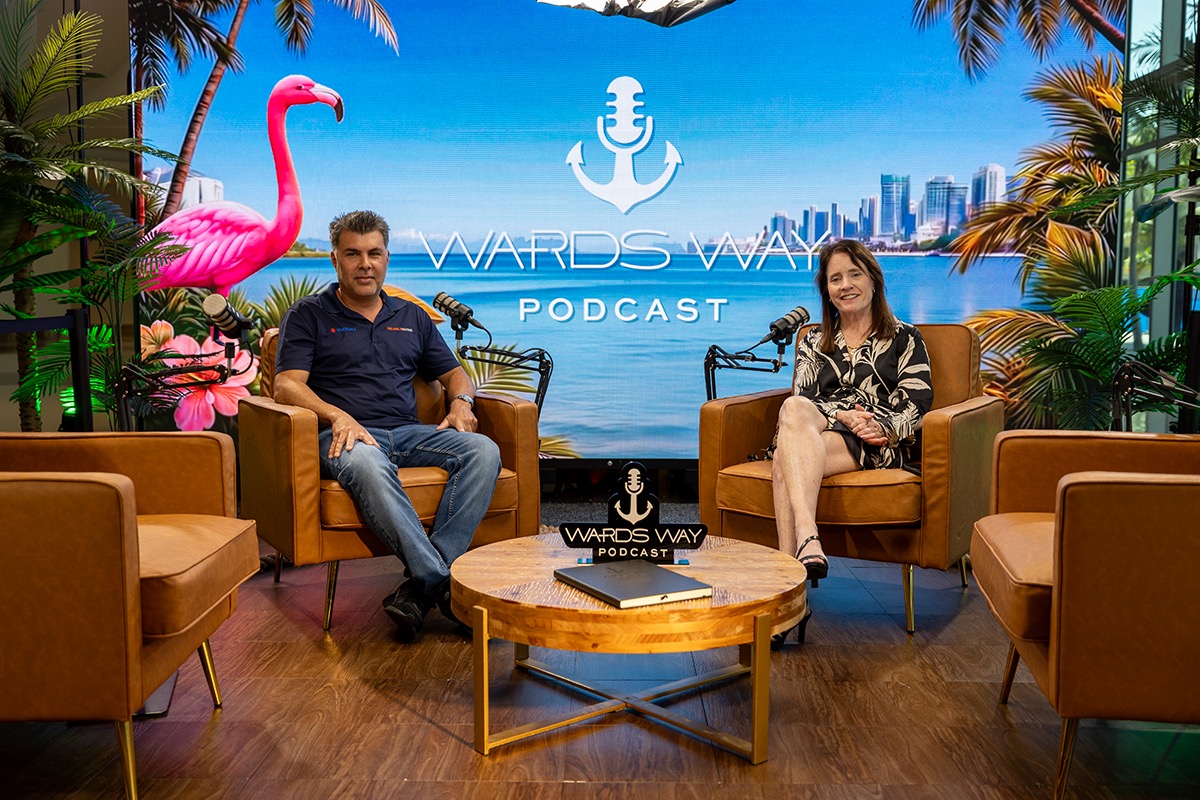
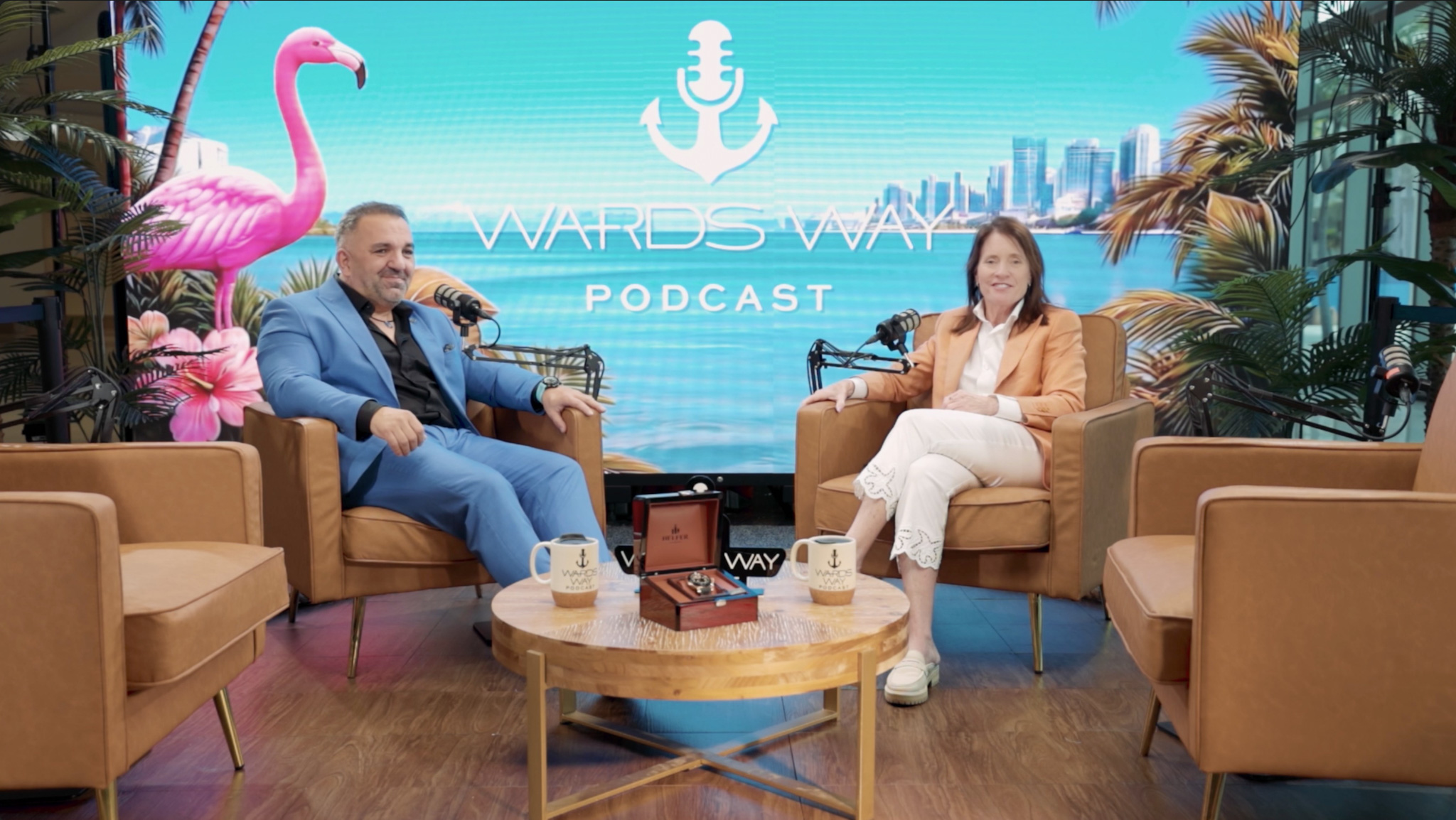
Miami’s waterfront gleam hides a serious engine of people, policy, and product design. In season 6, episode 5 of the Wards Way podcast, host Kristina Hebert sits down with NMMA's chief administrative officer, Robert Newsome, to discuss these very dynamics. This conversation at the Miami International Boat Show draws back the curtain on how the National Marine Manufacturers Association (NMMA) keeps recreational boating vibrant, innovative, and accessible. We begin with the show’s electric opening: fresh propulsion tech under wraps, new models staged for reveal, and a global audience primed to discover boating. But the real current beneath the spectacle is organization and advocacy. Manufacturers, dealers, insurers, brokers, and service providers all converge here, and the NMMA’s role is to align their interests, champion their needs, and protect the joys of life on the water that Miami so boldly represents.
Robert Newsome’s personal path into the industry humanizes that mission. He traded law school plans and a real estate track for a typed letter to NMMA’s then-president in Chicago, combining a family love of boating with a search for purpose. That leap says a lot about this space: boating is both lifestyle and livelihood, and many of the people who power it first fell in love with time on the water as kids. His story also points to a truth about associations: they orchestrate the invisible work that lets a community thrive. From HR to trade shows, from standards to safety, from market data to member support, their reach is wide. It’s not just boats and engines; it’s the entire ecosystem that makes ownership possible, reliable, and rewarding year after year.
A key strategic shift was NMMA’s move to Washington, DC. The reasoning is blunt: boating depends on access, and access is shaped by policy. The industry faces rules about fisheries, speed zones, conservation, and nearshore usage that can enhance or choke boating’s future. Working in DC allows the NMMA to build relationships before crises hit—senators, representatives, Coast Guard leaders, and agency administrators who influence everything from safety requirements to environmental frameworks. Reactive damage control isn’t enough; proactive engagement creates informed allies who understand the stakes for manufacturers, dealers, charter operators, and weekend anglers alike.
Access surfaced as the hot button. Two water sports, such as wake surfing, are under pressure from proposed local bans fueled by questionable science. The NMMA backs responsible guidelines—like surfing at least 200 feet from shore in water 10 feet deep—because stewardship and fun can coexist. Boaters are consistent caretakers by habit; they pick up floating trash, maintain gear to avoid spills, and cherish healthy fish stocks. That ethos extends to anglers who value sustainable, catch-and-release practices that help marine life thrive for future generations. When rules reflect sound research and real-world operating behavior, everyone wins: shorelines, communities, and manufacturers who design better boats for safer use.
Another flashpoint came from the proposed NOAA vessel speed restrictions along the Atlantic coast, which would have forced many boats to operate below 10 knots for long stretches of the year. The intent—protect the North Atlantic right whale—was worthy, but the sweeping constraint would have devastated offshore access, fisheries, and the economics of boating trips that depend on reasonable run times. Dialogue, data, and technology alternatives helped shift the approach. The takeaway is important: partnerships with agencies can improve outcomes when participants share facts, pilot tech, and listen sincerely.Advocacy isn’t a denial of conservation; it’s a demand for solutions that actually work—for people, for wildlife, and for the water.
All of this energy culminates in the American Boating Congress, NMMA’s annual legislative event in Washington. It connects members directly with lawmakers and staff, puts Coast Guard and agency leaders at the table, and underscores the scale of the outdoor recreation economy. Recreational boating alone outpaces agriculture and mining in U.S. GDP contributions, and Florida—especially Miami—is its beating heart. The Miami show generates more local impact than a Super Bowl every single year, with Florida leading the nation in boat building, registrations, and 12‑month sales. Wages in the sector run high, skills evolve quickly, and the show’s constant reinvention—from convention floors to Collins Avenue docks—improves the buyer experience while fueling jobs.
At ground level, the reason people come to a boat show is simple: to have fun.That joy is the start of a long relationship that includes ownership, maintenance, upgrades, and community. If organizers keep venues easy to navigate, if manufacturers unveil smarter propulsion and more efficient hulls, and if advocates keep waterways open and healthy, Miami’s magic extends beyond postcard scenes. It becomes a durable promise: discover boating, learn the rules, respect the science, and join a culture that protects what it loves.
To hear the complete conversation, find this episode of Wards Way on your preferred streaming platform. Your feedback, questions, and insights are always welcome as part of this ongoing dialogue about the future of boating.
Host & Author:
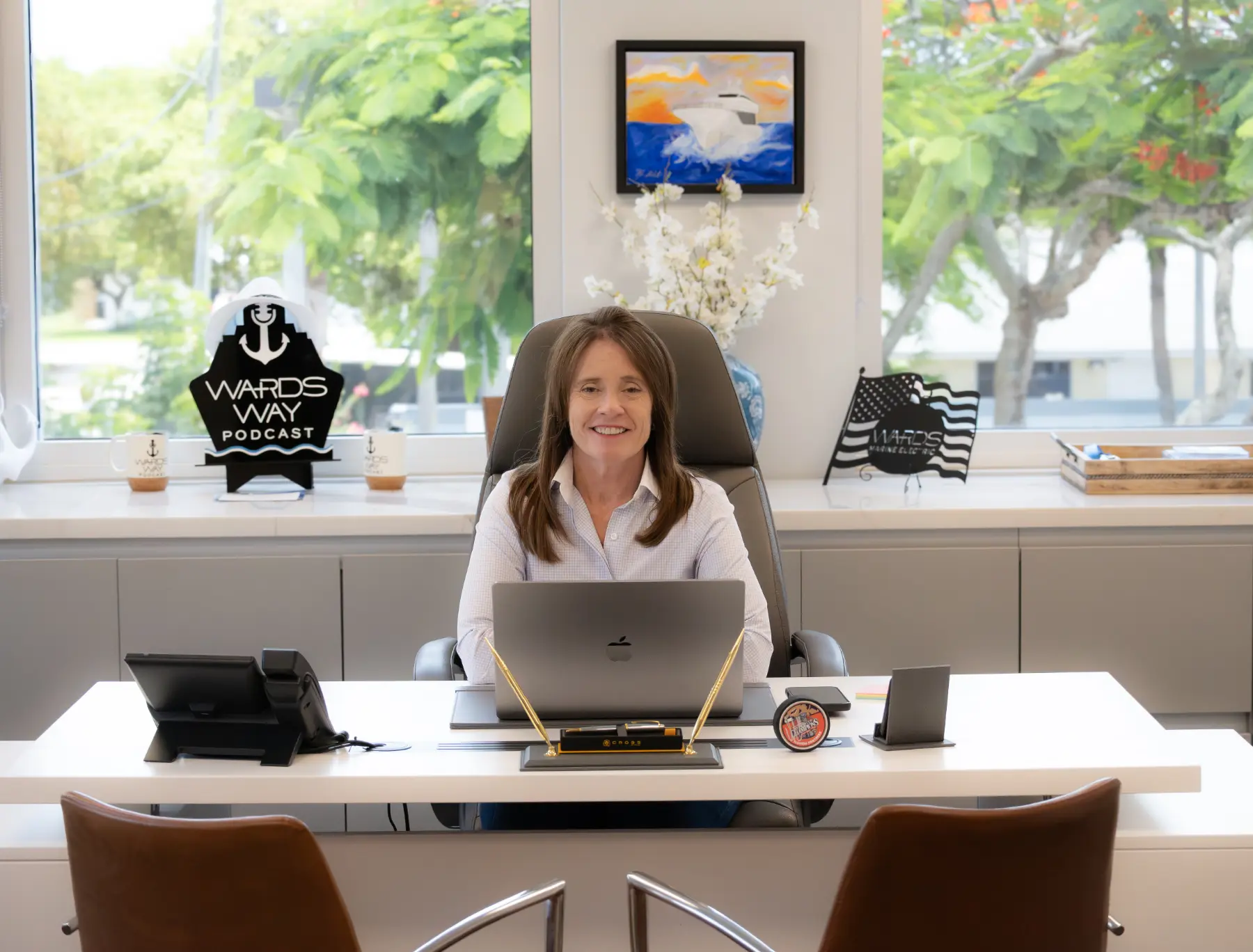
Wards Marine Electric
Kristina Hebert is President and CEO of Wards Marine Electric, a third-generation family business founded in 1950 and globally recognized for its marine electrical expertise. Having grown up in the industry under the leadership of her grandfather and father, she joined the company in 1996 and later served as Chief Operating Officer for more than two decades before becoming CEO. With a bachelor’s degree in political science from the University of South Florida, Kristina combines her legislative background with decades of operational and technical sales experience. She is also a two-term past president of the Marine Industries Association of South Florida and a current ABYC board member. Today, she leads Wards Marine Electric’s continued growth and hosts The Wards Way podcast, featuring prominent industry leaders and policymakers at major boat shows, boating tournaments, the American Boating Congress, and the ICOMIA/IFBSO Congress.
Guest Speaker:

Robert Newsome is Chief Administrative Officer of the National Marine Manufacturers Association, where he supports the people, programs, and advocacy efforts driving the recreational boating industry. With expertise spanning operations, policy, safety, and member engagement, he works to protect water access, promote responsible boating, and strengthen the industry nationwide.