%402x.svg)

Inside ABYC: How Standards Make Boating Safer And Better
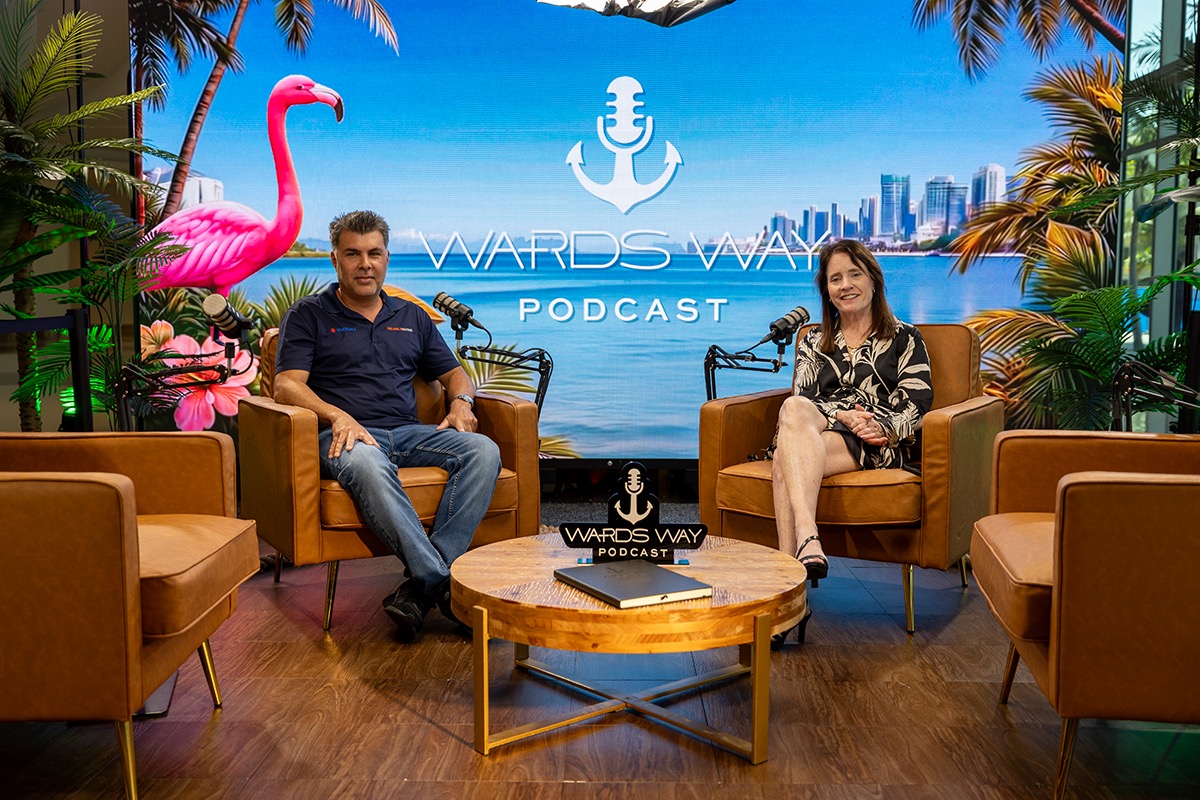
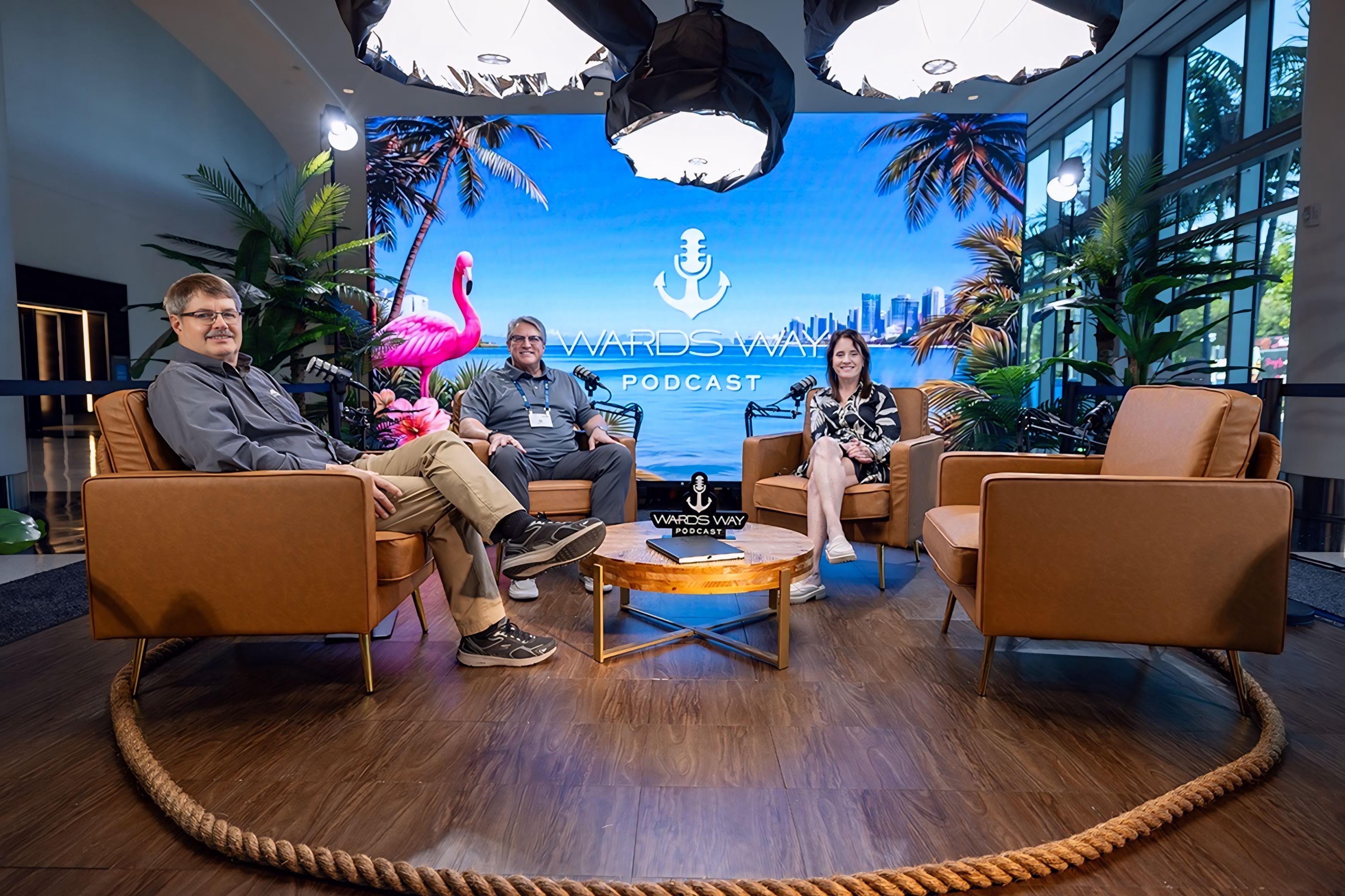
Miami’s skyline glows, but the real power behind the water lifestyle is quieter: people, standards, and a shared commitment to safety. In season 6, episode 3 of the Wards Way podcast, recorded at the Miami International Boat Show, host Kristina Hebert sits down with Brunswick’s Dave Marlow and ABYC’s Pete Chisholm to explore how voluntary standards influence every aspect of boatbuilding—from hull design to helm controls. While federal rules set the baseline, ABYC’s consensus-driven standards fill the gaps where technology races ahead. Think electrical systems, fuel lines, steering, and increasingly complex electronics. The payoff is clear: certification programs using ABYC standards correlate with boats that are dramatically safer than those built to minimum regulations alone. That means fewer accidents, more reliability, and a better time on the water for everyone who launches.
One major theme was responsiveness. Coast Guard regulations provide stability, but they can’t always keep pace with rapid innovation. ABYC steps in with agile, consensus-based standards that evolve with the industry. Lithium-ion batteries are a perfect example. Their high energy density demands rigorous design, testing, and installation practices. ABYC began with technical information reports and matured them into standards for battery systems and electric propulsion, a path later mirrored by ISO. New categories like electric e-foils also illustrate this dynamic: when the Coast Guard flagged a standards gap, ABYC organized a technical committee to bring together builders, engineers, and service experts to define safe construction practices without stifling innovation.
The discussion also delved into the vital role of culture and education. Standards are only as strong as the people applying them throughout a boat’s life cycle. ABYC’s training and certification programs ensure manufacturers, dealerships, and service yards speak the same technical language. Electrical certifications, fuel and exhaust systems, HVAC, and hull performance credentials raise competency across the board. For shops, requiring certification builds trust and consistency; for consumers, it means fewer failures and safer weekends. And for the industry, it reduces liability by documenting “how” and “why” work was done, aligning practices with accepted norms and verified tests.
Process matters too. ABYC’s Standards Week gathers project technical committees to review, revise, and refine. Electrical standards refresh every three years; most others follow a five-year cycle. The ANSI-governed, consensus approach invites public comment and encourages broad participation from boatbuilders, engine makers, component suppliers, and regulators. Competitors check their hats at the door to pursue one goal: safer boating. That collaboration yields practical outputs—clarified language, test procedures, and guidance that engineers can implement and technicians can verify. This structure keeps the standards living, relevant, and technically rigorous.
Manufacturers gain real tools: interpretation support, formal Requests for Interpretation when the text isn’t clear, and detailed compliance checklists that translate “shall” statements into action. Those checklists prompt evidence—lab results, torque specs, wire sizing, bonding resistance—to be filed in a technical record. When NMMA certification auditors arrive, builders can demonstrate compliance, not just claim it. The model scales from large OEMs with in-house compliance teams to smaller shops that need a proven roadmap. It also creates continuity for used boats as they move through dealers and service yards, reducing the risk of well-meaning but unsafe DIY fixes.
Ultimately, this conversation reframed “compliance” as a customer benefit. Safety is the headline, but reliability is the daily win: fewer loose connections, correctly torqued battery lugs, clean AC/DC segregation, appropriate overcurrent protection, and robust fuel system integrity. These details prevent fires, keep engines running, and maintain lights and navigation gear when conditions turn rough. Miami’s lifestyle depends on trust—trust that builders follow a blueprint grounded in data, that technicians are certified to maintain systems correctly, and that new tech is vetted through a transparent, expert process. That is how the marine industry turns innovation into confidence and keeps people coming back to the water, season after season.
To hear the entire conversation, search for Wards Way on your preferred streaming platform. As always, your feedback and engagement—liking, subscribing, and commenting—help us continue these important discussions.
Host & Author:
Wards Marine Electric
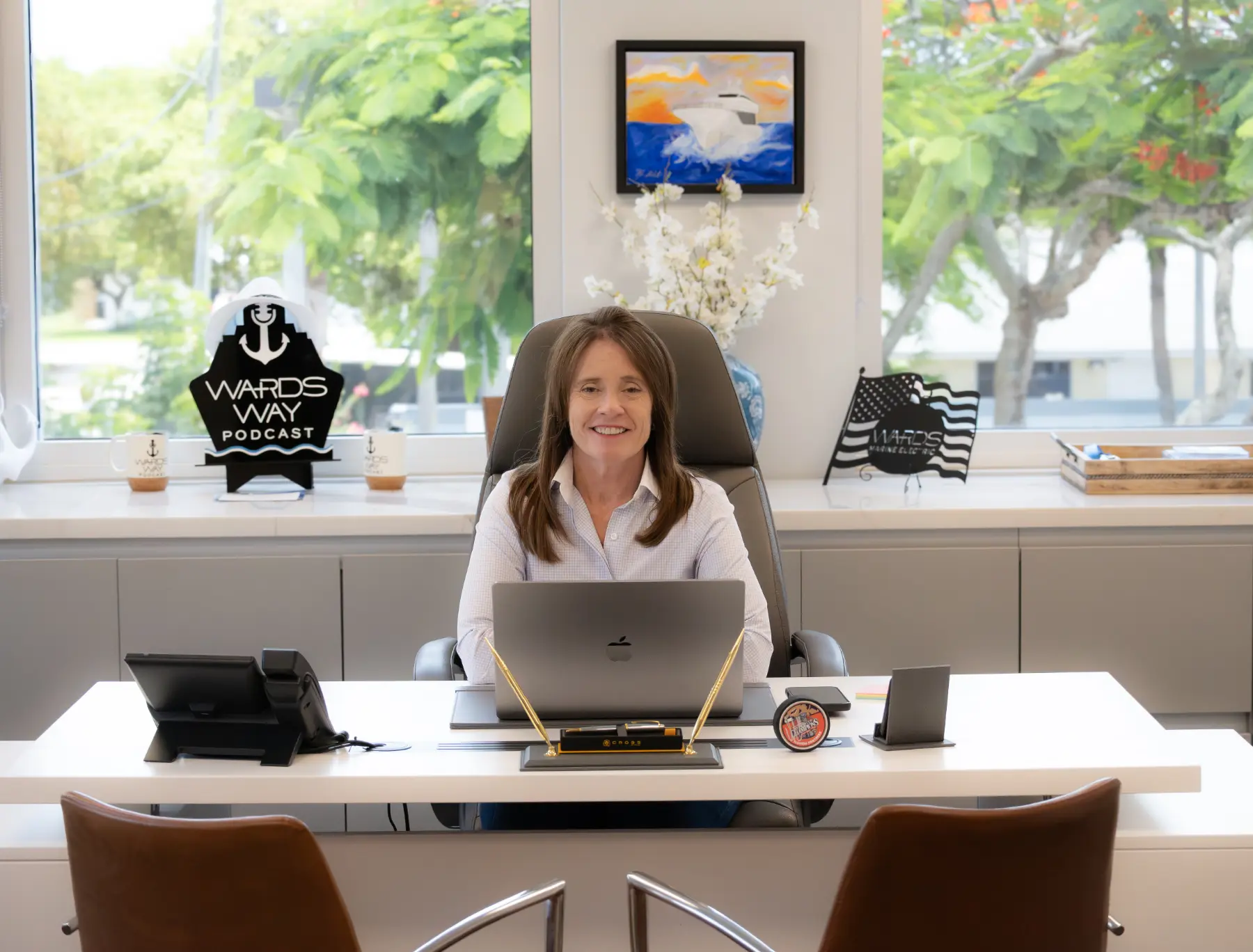
Kristina Hebert is President and CEO of Wards Marine Electric, a third-generation family business founded in 1950 and globally recognized for its marine electrical expertise. Having grown up in the industry under the leadership of her grandfather and father, she joined the company in 1996 and later served as Chief Operating Officer for more than two decades before becoming CEO. With a bachelor’s degree in political science from the University of South Florida, Kristina combines her legislative background with decades of operational and technical sales experience. She is also a two-term past president of the Marine Industries Association of South Florida and a current ABYC board member. Today, she leads Wards Marine Electric’s continued growth and hosts The Wards Way podcast, featuring prominent industry leaders and policymakers at major boat shows, boating tournaments, the American Boating Congress, and the ICOMIA/IFBSO Congress.