%402x.svg)

Family Names, Big Boats, Bigger Trust: Season 5 Episode 7
https://www.buzzsprout.com/2270245/episodes/18212662
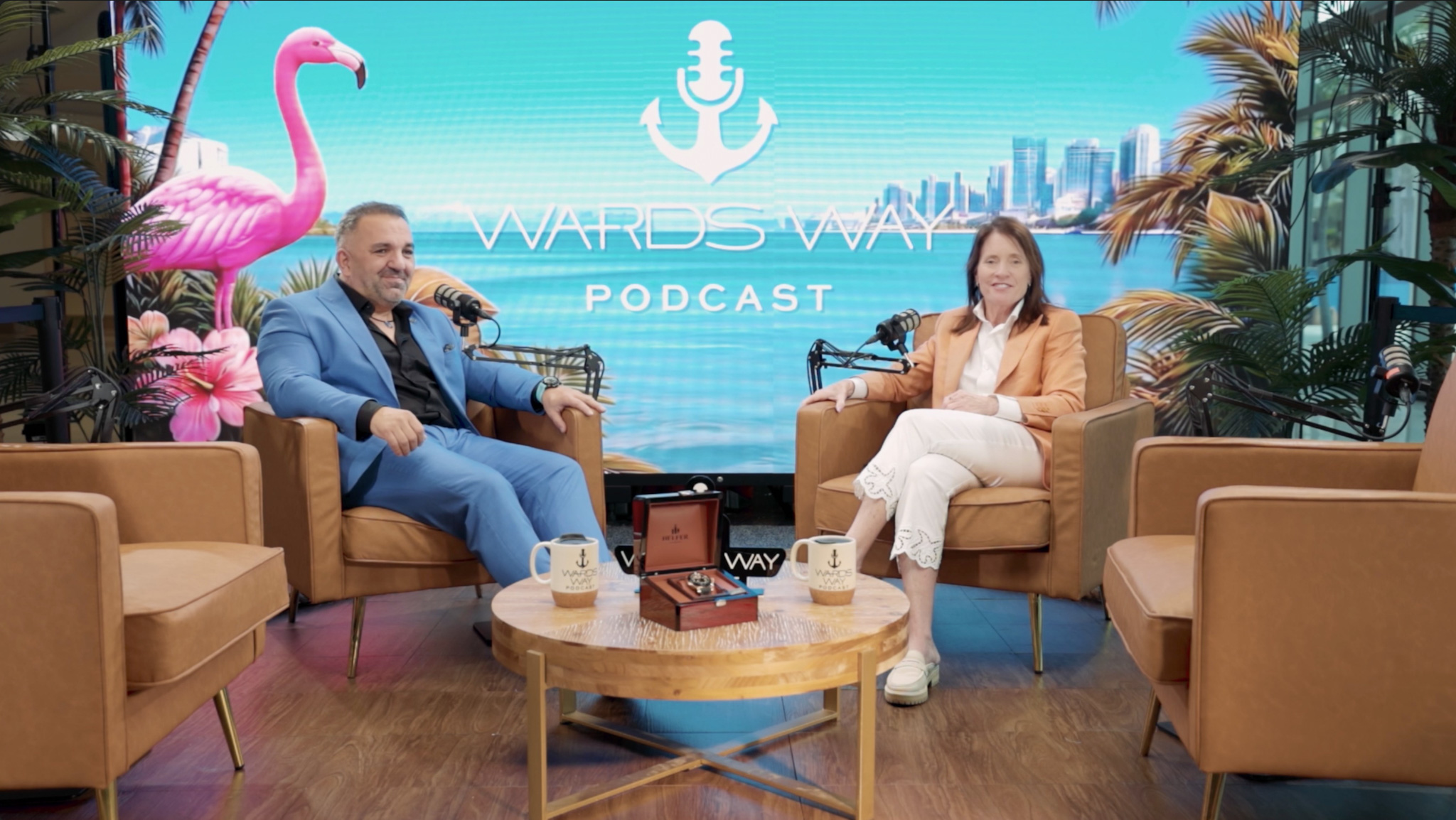
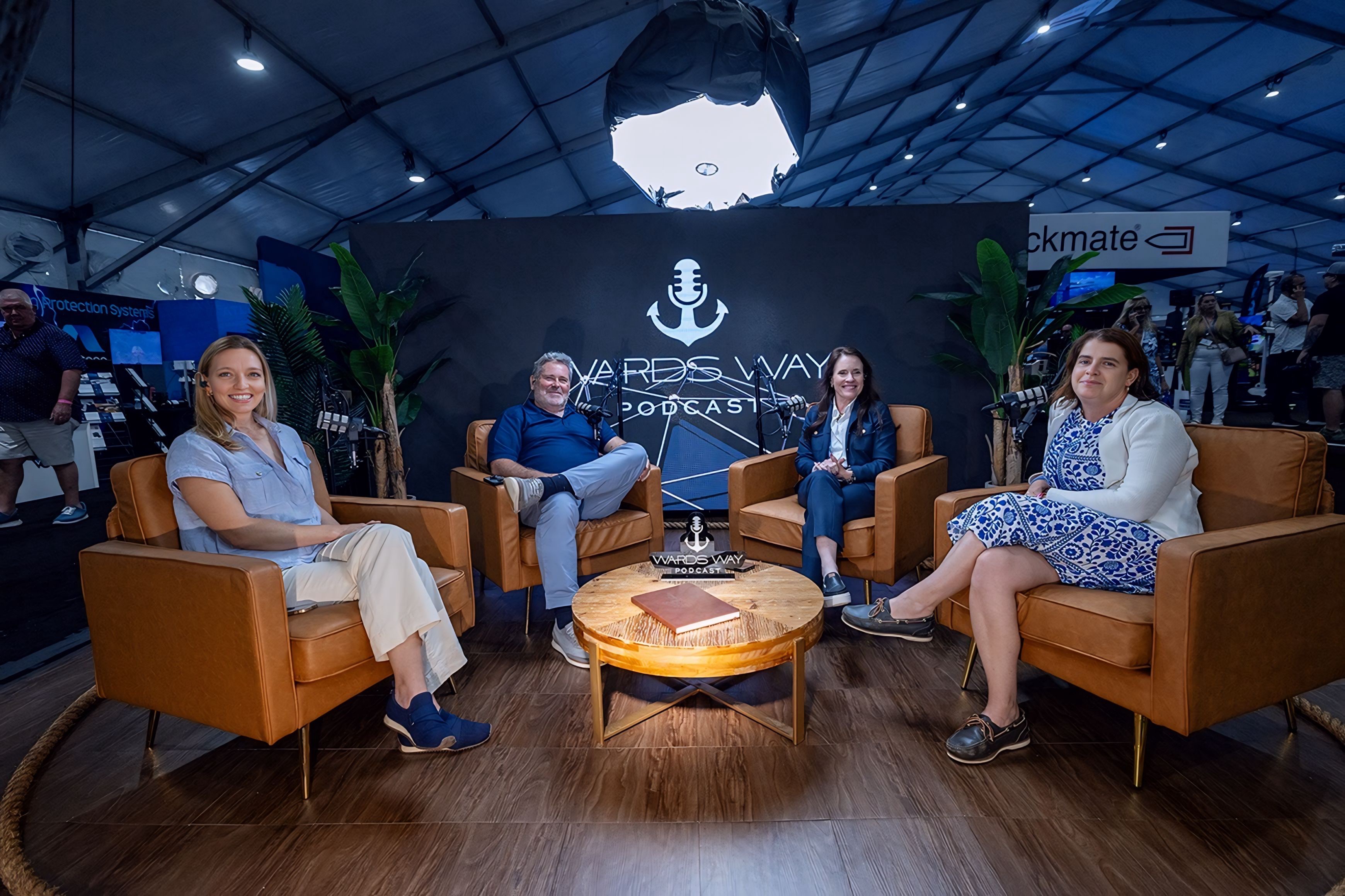
The marine refit world is a study in pressure, precision, and pride. During the Fort Lauderdale International Boat Show, host Kristina Hebert discussed the complexities of the marine refit sector with industry leaders who navigate it daily. Among the participants were Jessima Timberlake, the client relationship manager at Amico Shipyards in Genoa, and Fort Lauderdale project managers George Llop and Arielle Knuttel of Llop and Knuttel. They are renowned for their expertise in transforming intricate refit projects into streamlined, efficient outcomes, ensuring vessels are returned to the water swiftly and effectively.
The discussion repeatedly returned to one main topic: family businesses—owner-operated teams whose names appear on hangars, docks, and invoices—tend to thrive when the work is messy, expensive, and time-sensitive. Reputation sharpens decisions. It also changes behavior under stress; when your name is on the gate, you communicate early, document clearly, and solve fast. That ethic defines the refit experience for owners who need clarity as much as craftsmanship.
Scale has changed the game. What once counted as a large yacht is now a smaller client, while 120‑meter vessels push power, logistics, and coordination to new limits. With vessels that size, refits resemble surgical theaters: multi‑trade teams, phased access, overlapping safety zones, and constraints from class, flag, and OEM schedules. The podcast guests argued that this is precisely where family enterprises shine. Internal departments pull together; external partners are vetted for shared standards of safety, cleanliness, and transparency. The best yards and managers document scope, discovery, and change orders in real time, splitting labor versus equipment to show where money truly goes. That level of clarity reduces friction and, more importantly, prevents the end‑of‑project shock that ruins trust.
Owner engagement is no longer optional; it is the operating system. Some owners want the boat back as fast as possible, with short yard windows split across seasons. Others savor major transformations—lengthenings, superstructure changes, full paint—like a custom build. Technology bridges both modes. When clients can’t be on site in Genoa or South Florida, high‑resolution video, 3D modeling, and live platforms keep decisions moving without delays. Seeing the plan and the likely outcome keeps emotions grounded when discovery unfolds, and discovery always unfolds. New builds follow crisp milestones; refits deal in unknowns. The cure is context shared in real time.
That communication discipline extends to vendor culture as well. The no‑go list is simple: poor updates, unsafe practices, disorganized work sites, and missed expectations. The must‑have list is equally clear: daily check‑ins, tidy zones, precise scope control, and the courage to flag risks across company lines. One standout idea was normalizing cross‑trade feedback, where a technician can warn another company before damage happens. That saves days and dollars and turns a group of vendors into a single team. Meetings can be short and standing, or replaced by platform updates, but the rule holds: the right people must see the right data at the right time.
Planning is the next frontier. Demand on OEM after‑sales teams is heavy, especially across the Mediterranean season. Securing yard slots is only half the battle; securing human resources and long‑lead equipment is just as critical. That’s why earlier design freezes, pre‑approved contingency budgets, and pre‑booked OEM windows will define winners in the next few seasons. The group also explored “evergreen” companies—businesses that grow through disciplined reinvestment rather than outside capital with aggressive return clocks. It’s a valuable lens for yachting, where multi‑generational firms continue to invest in shore power, lifts, dry docks, and talent pipelines that compound quality over time.
Beneath the stats and stories sits a simple promise: make the owner’s world safer, more transparent, and more rewarding. That means delivering boats on time and ready to go to sea, turning chaos into a path with checkpoints, and ensuring every stakeholder—owner, captain, surveyor, accountant—can see what’s happening and why. Do that consistently, and word of mouth does the rest. The lasting value is built in the yard: clean work, honest data, and a culture that protects both the vessel and the name on the door.
We encourage you to tune into the Wards Way podcast, Season 5, Episode 5, available on your preferred streaming service. We’re interested in your insights regarding the refit process—what specific perspectives or experiences do you contribute to this discussion? Your input is invaluable to us. Don’t forget to like, subscribe, and share your comments!
Host & Author:
Wards Marine Electric
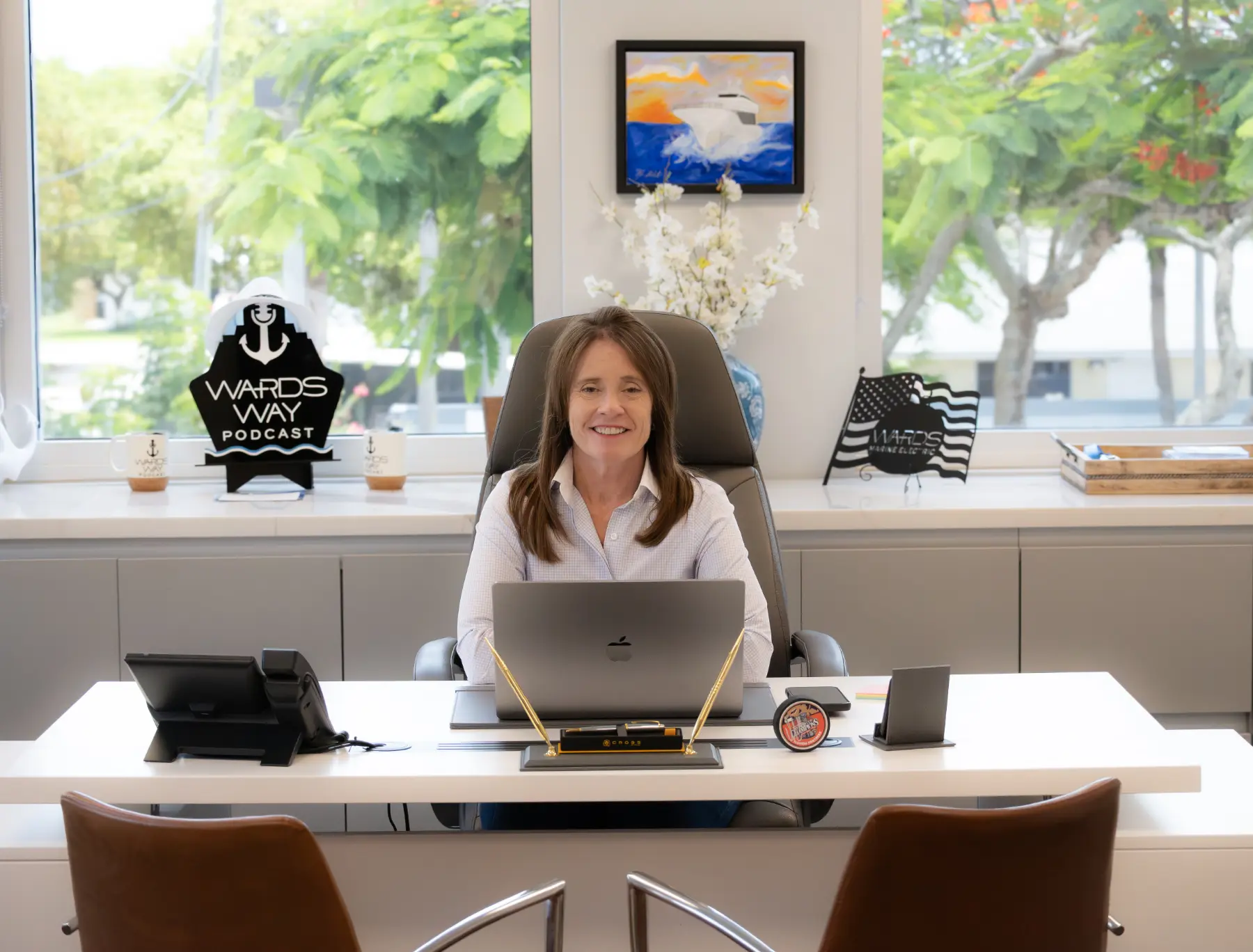
Kristina Hebert is President and CEO of Wards Marine Electric, a third-generation family business founded in 1950 and globally recognized for its marine electrical expertise. Having grown up in the industry under the leadership of her grandfather and father, she joined the company in 1996 and later served as Chief Operating Officer for more than two decades before becoming CEO. With a bachelor’s degree in political science from the University of South Florida, Kristina combines her legislative background with decades of operational and technical sales experience. She is also a two-term past president of the Marine Industries Association of South Florida and a current ABYC board member. Today, she leads Wards Marine Electric’s continued growth and hosts The Wards Way podcast, featuring prominent industry leaders and policymakers at major boat shows, boating tournaments, the American Boating Congress, and the ICOMIA/IFBSO Congress.